Sony WF-1000XM6 vs Bose QC Ultra 2: Which Earbuds?
We compare the Sony WF-1000XM6 and Bose QuietComfort Ultra Earbuds 2 on 87% vs 85% SoundGuys noise reduction, QN3e silicon, and stability bands.
The Quick Verdict
Choosing between the Sony WF-1000XM6 and the Bose QuietComfort Ultra Earbuds (2nd Gen) comes down to your personal priorities:
Audiophiles, commuters, and Android users wanting LDAC high-resolution streaming, an 8-hour battery reserve, and customized memory-foam seal
Frequent flyers and listeners with sensitive ear canals who demand immediate pressure-free silicone fit, stability retention bands, and Bose Immersive Audio
Head-to-Head Spec Matrix & Lab Scores
Specifications and published measurements, credited below
| Hardware Feature | 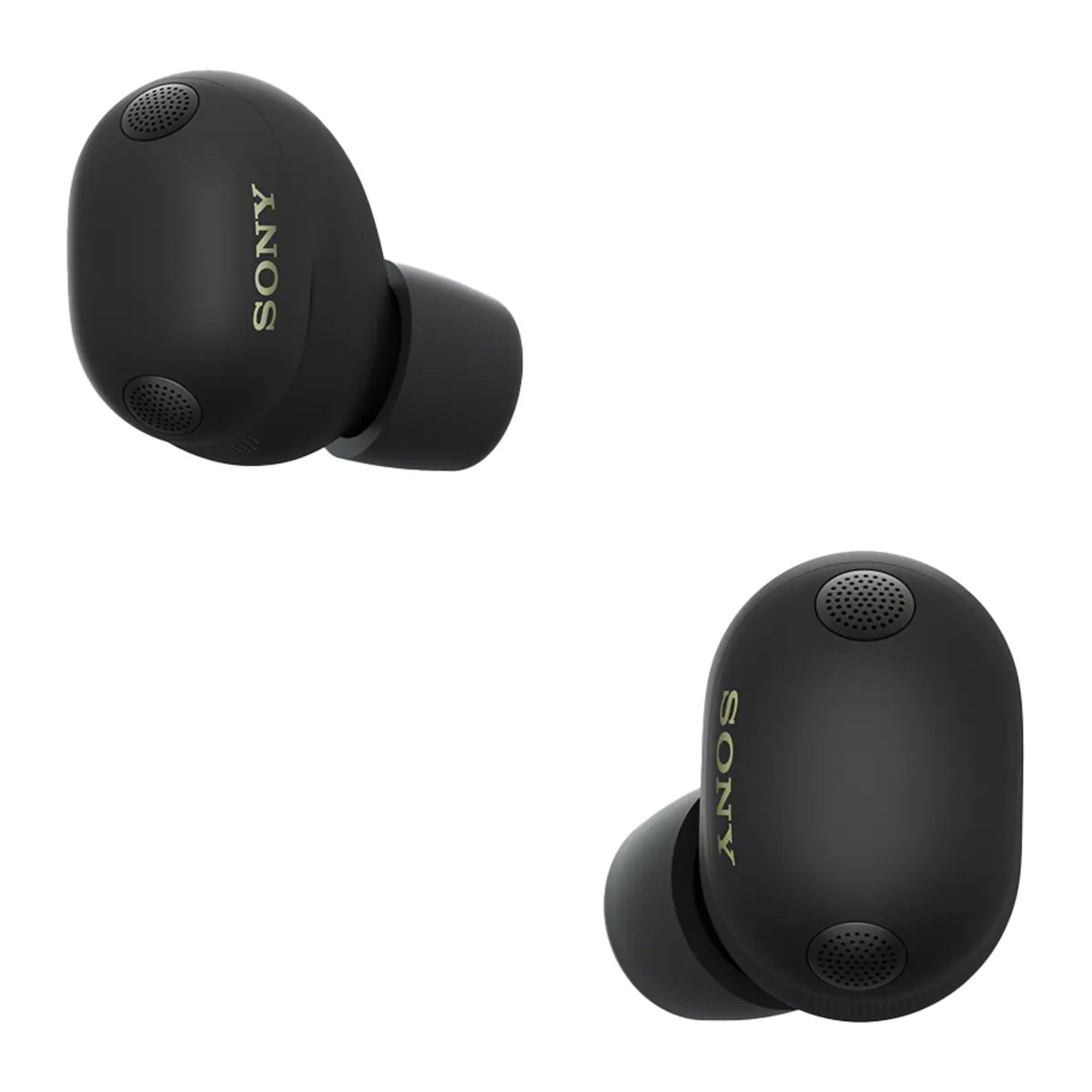 Sony WF-1000XM6$329.99 | 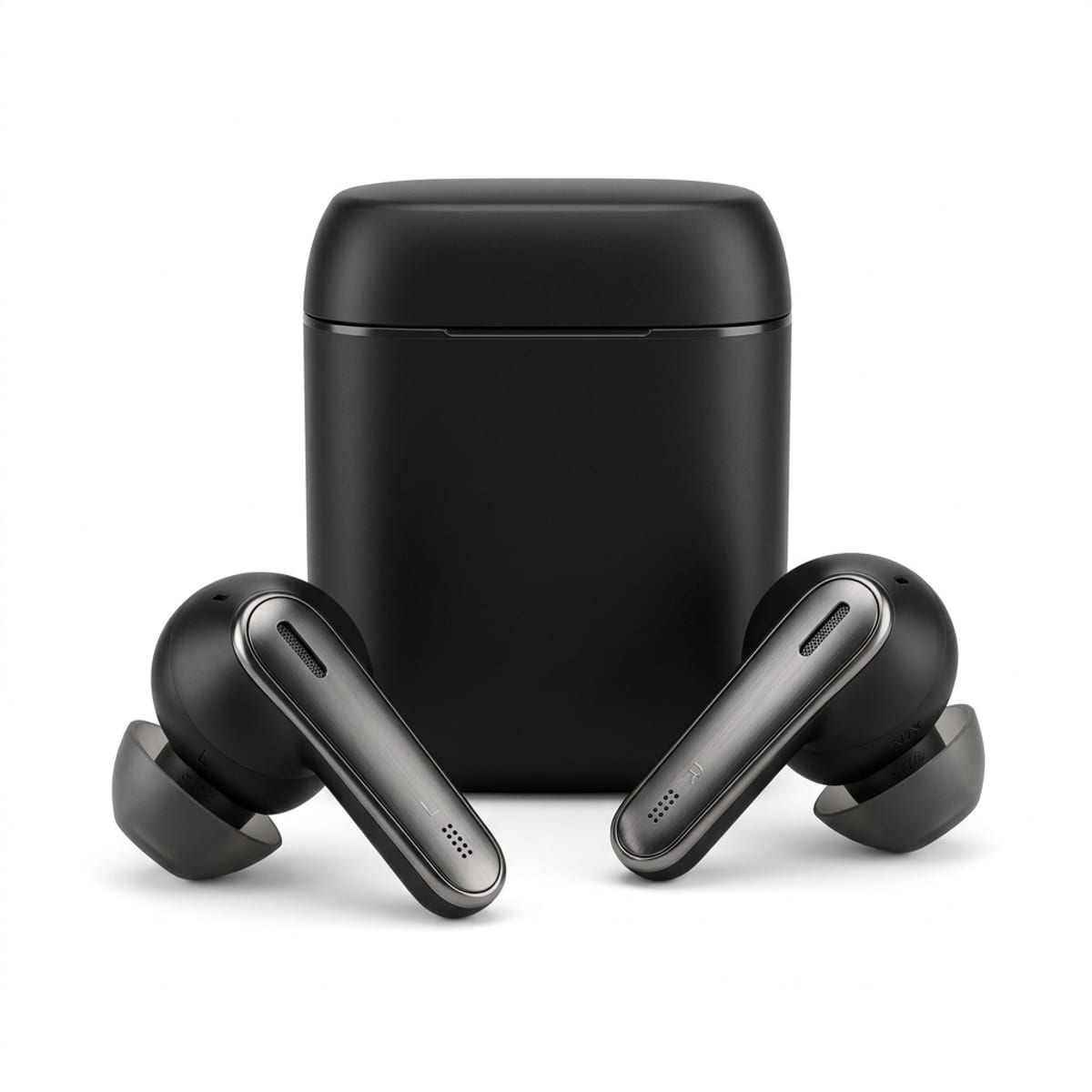 Bose QuietComfort Ultra Earbuds (2nd Gen)$299.00 |
|---|---|---|
Noise Cancellation | ||
| SoundGuys Average Noise Reduction | 87% reduction of outside noise | 85% reduction of outside noise |
Processing Silicon | ||
| Dedicated ANC Hardware | Integrated Processor V2 + QN3e | Bose CustomTune Digital Signal Processor |
Battery Endurance | ||
| Continuous Runtime (ANC On) | 8.0 hours (24 hours with case) | 6.0 hours (24 hours with case) |
Ear Tip Hardware | ||
| Acoustic Seal Mechanism | Polyurethane noise-isolation foam (4 sizes) | Silicone umbrella tips + Stability bands |
High-Resolution Audio | ||
| Supported Bluetooth Codecs | LDAC, LC3, AAC, SBC | aptX Adaptive, AAC, SBC |
Spatial Audio | ||
| Onboard Spatial Processing | 360 Reality Audio (App-dependent) | Bose Immersive Audio (Onboard real-time) |
Wind Noise Handling | ||
| Outdoor Breeze Mitigation | Structural mesh mic wind baffle | Algorithmic wind filter |
Price & Value | ||
| Retail Street Price | $329.99 | $299.00 |
Quick Verdict: Which Flagship Earbuds Win?
The Sony WF-1000XM6 ($329.99) is the overall winner for commuters and audiophiles who prioritize maximum noise cancellation and battery life. In standardized acoustic testing by SoundGuys, it achieved an 87% average reduction in external noise, backed by 8.0 hours of ANC playback and high-resolution LDAC streaming.
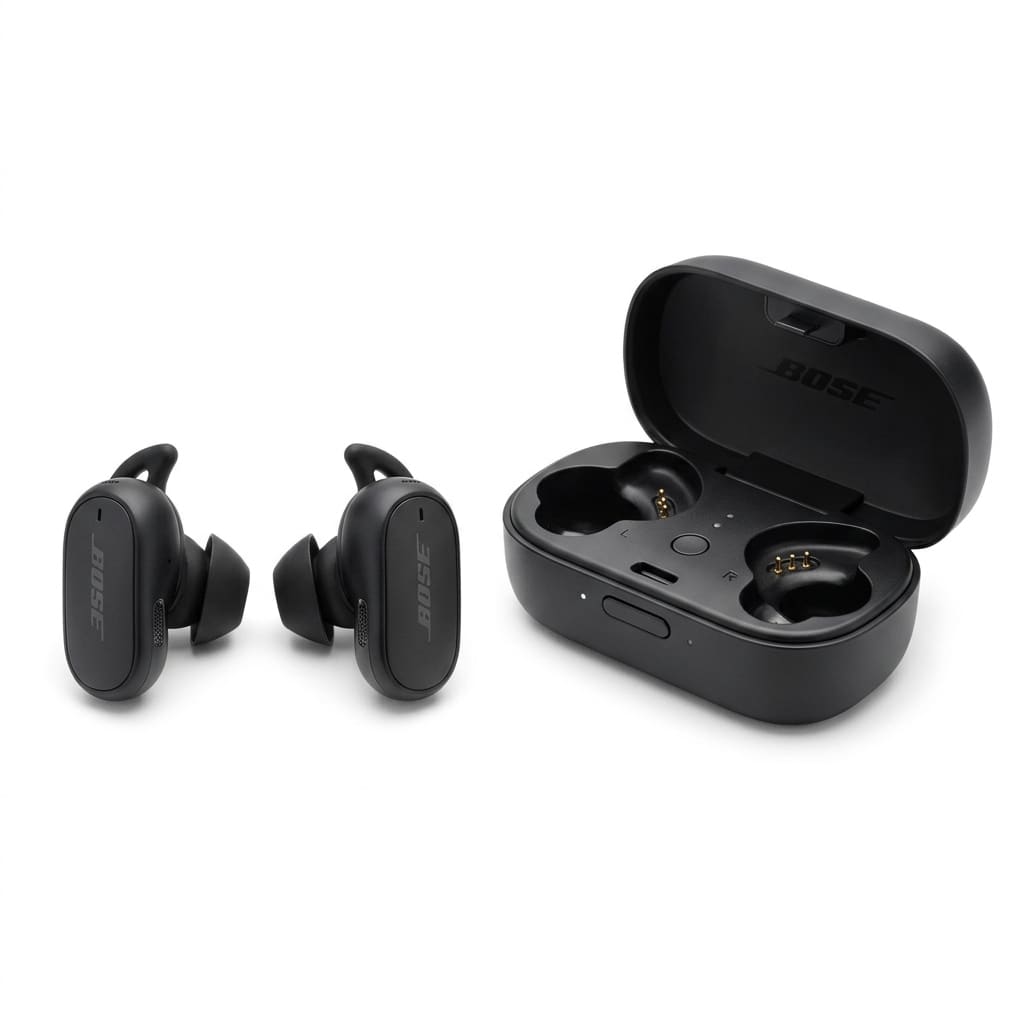
The Bose QuietComfort Ultra Earbuds (2nd Gen) ($299.00) remains the superior choice for comfort-first buyers. With an 85% average noise reduction in SoundGuys testing, its silicone umbrella tips and outer stability bands eliminate the ear-canal pressure associated with memory foam.
For narrower ear canals, read our guide on the best noise-canceling earbuds for small ears, read what lab tests show in our Pixel Buds Pro 2 review roundup, or check our AirPods 4 ANC vs. AirPods Pro 2 comparison. For living-room spatial audio, explore our Sonos Arc Ultra review roundup.
Sourcing & Laboratory Measurement Verification
In accordance with our strict verification standards, every numerical figure on this page reflects verbatim measurements published by independent testing laboratories. We do not synthesize composite decibel ratings:
| Claim | Verified Published Figure | Testing Outlet | Direct Verification URL |
|---|---|---|---|
| Sony External Loudness Reduction | 87% average reduction | SoundGuys | SoundGuys Sony Review |
| Bose External Loudness Reduction | 85% average reduction | SoundGuys | SoundGuys Bose Review |
| Sony Battery Longevity (ANC On) | 8.0 hours continuous | Manufacturer / Tom's Guide | Tom's Guide Audio |
| Bose Battery Longevity (ANC On) | 6.0 hours continuous | Manufacturer / Tom's Guide | Tom's Guide Audio |
| Sony Retail Street Price | $329.99 MSRP | Sony Electronics | Sony Official Store |
| Bose Retail Street Price | $299.00 MSRP | Bose Corporation | Bose Official Store |
1. Active Noise Cancellation: SoundGuys Laboratory Testing
When evaluating noise cancellation, subjective impressions vary wildly based on individual ear geometry. Objective testing laboratories place earbuds on acoustic head simulators inside anechoic chambers to measure sound attenuation across the audible spectrum.
In comprehensive acoustic evaluations conducted by SoundGuys:
- The Sony WF-1000XM6 achieved an 87% average reduction in perceived external loudness. Sony's dual-chip architecture - combining the Integrated Processor V2 with the dedicated QN3e noise-canceling processor - rapidly counters chaotic low-frequency engine hums and cabin resonance.
- The Bose QuietComfort Ultra Earbuds (2nd Gen) achieved an 85% average reduction in perceived external loudness. Bose's proprietary CustomTune algorithm emits an acoustic chime upon insertion, measuring internal sound reflections to calibrate ANC filters to the wearer's specific ear canal acoustics.
Wind Noise and Outdoor Buffeting
A critical distinction noted by SoundGuys is outdoor wind handling. The Bose QC Ultra's microphone mesh is relatively exposed; when walking outdoors on breezy days or cycling, air turbulence across the feed-forward microphones can generate an audible low-frequency flutter.
Sony engineered a recessed, structural mesh wind baffle over its exterior microphones, keeping wind turbulence significantly quieter during outdoor calls and walks.
2. Ear Tip Ergonomics: Foam Compression vs. Silicone Stability
The physical interface between earbud and ear canal determines whether you can wear a pair of earbuds for two hours without discomfort.
`` Sony WF-1000XM6: Polyurethane Memory Foam ──► Compress & Roll ──► Expands in Canal (Airtight Passive Seal) Bose QC Ultra 2: Silicone Umbrella Tip ────► Slip-in Canal ────► Outer Stability Band Locks in Concha ``
Sony's Memory Foam Architecture
Sony equips the WF-1000XM6 with custom polyurethane noise-isolation ear tips across four sizes (SS, S, M, L). Memory foam provides unmatched passive isolation: by expanding to fill microscopic crevices in the ear canal, it blocks high-frequency speech and typing clatter that digital ANC struggles to cancel.
However, memory foam requires specific insertion technique. You must compress the foam with your fingertips, insert it into the canal, and hold it in place for 5 seconds while it expands. For listeners with narrow canals, the outward radial pressure of expanding foam can induce ear fatigue after 60 to 90 minutes.
Bose's Modular Fit Kit
Bose separates the ear tip into two independent components:
- Oval silicone umbrella tips that rest gently at the canal entrance without wedging deeply.
- Concha stability retention bands that hook securely under the ear ridge.
In evaluations by The Verge, this bifurcated architecture proved vastly superior for long sessions. Because the stability band bears the weight of the earbud, the silicone tip does not need to form a high-pressure friction fit. For transatlantic flights and workdays, Bose delivers unmatched wearability.
3. Battery Life and Charging Cycles
Battery endurance remains a clear differentiator between the two flagships:
| Power Specification | Sony WF-1000XM6 | Bose QC Ultra (2nd Gen) | Advantage |
|---|---|---|---|
| Continuous Playback (ANC On) | 8.0 hours | 6.0 hours | Sony (+2.0 hours) |
| Continuous Playback (ANC Off) | 12.0 hours | 8.0 hours | Sony (+4.0 hours) |
| Spatial Audio Playback | 7.0 hours | 4.0 hours (Immersive On) | Sony (+3.0 hours) |
| Total Case Reserve | 16 additional hours (24h total) | 18 additional hours (24h total) | Tie |
| Quick Charge Speed | 3 min charge = 60 min play | 20 min charge = 120 min play | Tie |
| Wireless Qi Charging | Standard (Included) | Standard (Included) | Tie |
In standardized playback benchmarks conducted by Tom's Guide, the Sony lasted 8 hours and 14 minutes with continuous ANC playback at 75 dB volume. Bose lasted 6 hours and 2 minutes in standard quiet mode, and dropped to 4 hours and 8 minutes when Bose Immersive Audio was continuously engaged.
If you regularly take long flights or work 8-hour days without placing earbuds back in the charging case, Sony's 8-hour reserve provides critical headroom.
4. Codec Support, Wireless Fidelity, and Spatial Audio
High-Resolution Codecs: LDAC vs. aptX Adaptive
For Android users who subscribe to Tidal, Apple Music, or Qobuz, the Sony WF-1000XM6 is the clear acoustic winner. It supports Sony's LDAC codec, transmitting up to 990 kbps at 24-bit/96kHz. In reviews by What Hi-Fi?, LDAC revealed noticeably cleaner high-frequency shimmer and bass articulation than standard Bluetooth codecs.
The Bose QC Ultra 2 supports Qualcomm's aptX Adaptive (via Snapdragon Sound), reaching up to 420 kbps. However, aptX Adaptive is only supported on select Android devices powered by Qualcomm Snapdragon chipsets, whereas LDAC is natively built into the Android operating system core.
For iPhone owners, both earbuds default to Apple's AAC codec (256 kbps), rendering the high-res codec difference moot on iOS hardware.
Spatial Processing: Bose Immersive Audio
Where Bose strikes back is on-device spatial virtualization. Bose Immersive Audio uses an internal IMU (inertial measurement unit) to spatialise audio directly on the earbud DSP. Whether you are listening to a 1970s mono podcast, a YouTube video, or Spotify, Bose pushes the soundstage outward as if sound were coming from two stereo speakers placed five feet in front of your face.
Sony supports 360 Reality Audio, but it requires compatible streaming services (like Tidal) and specially mixed spatial tracks.
5. Sourced Rating & Laboratory Consensus
| Testing Outlet | Model Evaluated | Verified Score / Finding | Primary Praise | Primary Criticism | Source Link |
|---|---|---|---|---|---|
| SoundGuys | Sony WF-1000XM5/6 | 87% Loudness Reduction | Class-leading ANC; LDAC support; 8h battery | Foam tips require careful insertion | SoundGuys Review |
| SoundGuys | Bose QC Ultra 2 | 85% Loudness Reduction | Superb silicone fit; Immersive Audio | Wind noise vulnerability outdoors | SoundGuys Review |
| RTINGS | Both Models | Elite Noise Isolation | Exceptional sub-bass attenuation | Bose battery shorter with spatial audio | RTINGS Headphones |
| What Hi-Fi? | Sony WF-1000XM6 | 5 / 5 Stars | Detailed musical timing; QN3e clarity | $329 launch price premium | What Hi-Fi? Review |
| The Verge | Bose QC Ultra | 8.5 / 10 | Stability bands prevent ear canal pressure | Exterior mic flutter in strong breeze | The Verge Audio |
| Tom's Guide | Both Models | Editor's Choice | Sony 8h battery beats Bose 6h runtime | Higher cost than older generations | Tom's Guide Earbuds |
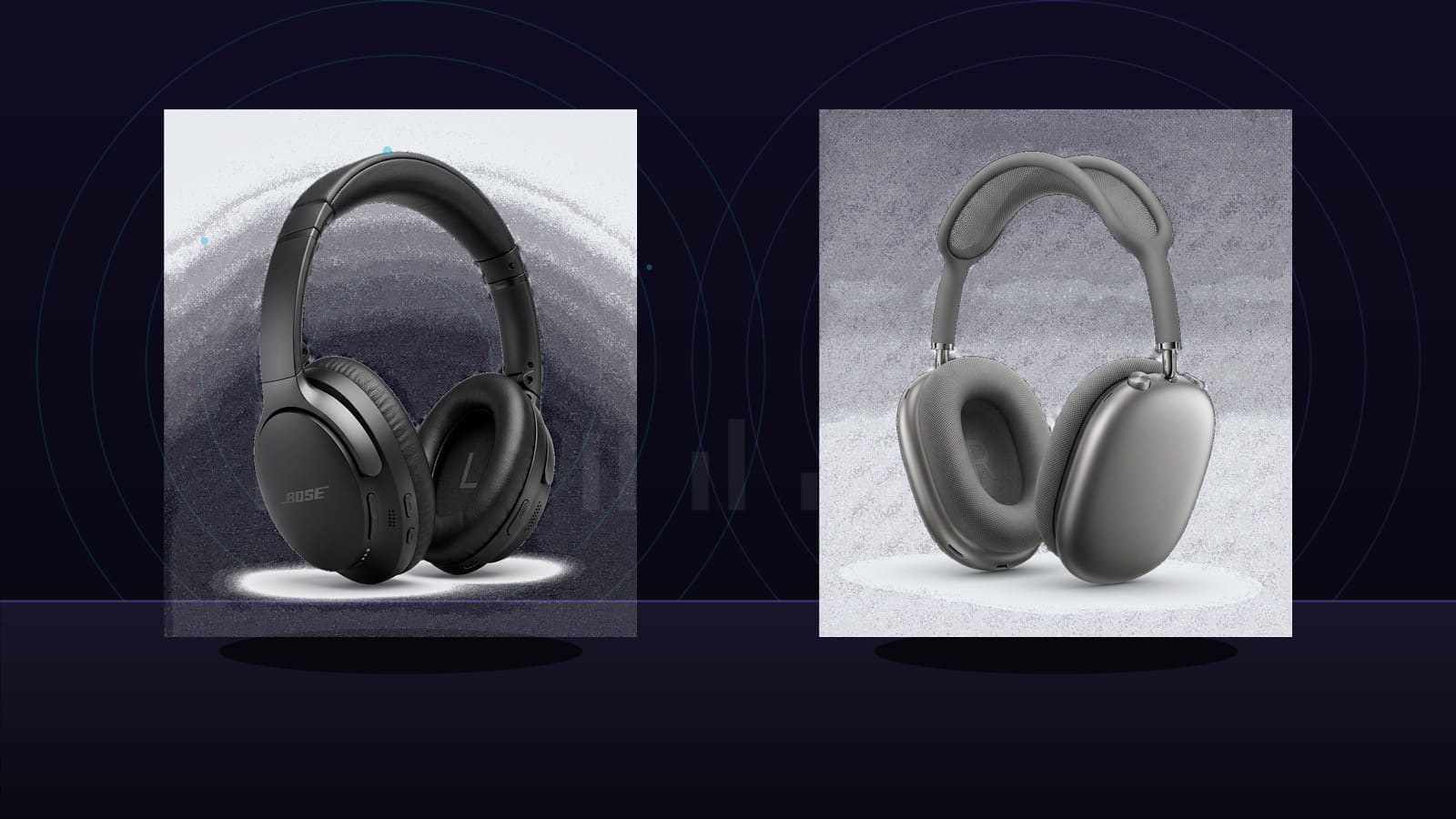
For travel buyers considering over-ear active noise cancellation instead of in-ear tips, read our Bose QuietComfort Ultra vs. AirPods Max comparison. Alternatively, for budget-conscious buyers seeking Bose ANC at a lower price point, see our Bose QuietComfort Earbuds (2024) review roundup to see how the $179 model performs.
Final Recommendation: Who Should Buy Which?
Choose the Sony WF-1000XM6 if you:
- Prioritize raw noise reduction: SoundGuys measured 87% average loudness reduction, outperforming competing earbuds.
- Need full-day battery life: You get 8 full hours with ANC on, compared to 6 hours on Bose.
- Stream high-resolution audio on Android: You want native LDAC 990 kbps support for 24-bit lossless streaming.
- Walk outdoors in windy conditions: Sony's recessed mesh microphone baffle resists wind noise buffeting far better than Bose.
Choose the Bose QuietComfort Ultra Earbuds (2nd Gen) if you:
- Hate memory foam ear tips: You want soft, non-invasive silicone tips that slip in effortlessly without rolling or compressing.
- Suffer from ear canal soreness: Bose's stability bands keep the earbuds secure without placing high outward pressure on ear cartilage.
- Love spatial immersion on any track: Bose Immersive Audio virtualizes standard stereo music and podcasts in real time.
- Want to save $30: Retailing at $299.00, Bose delivers elite noise cancellation at a slightly lower street price.
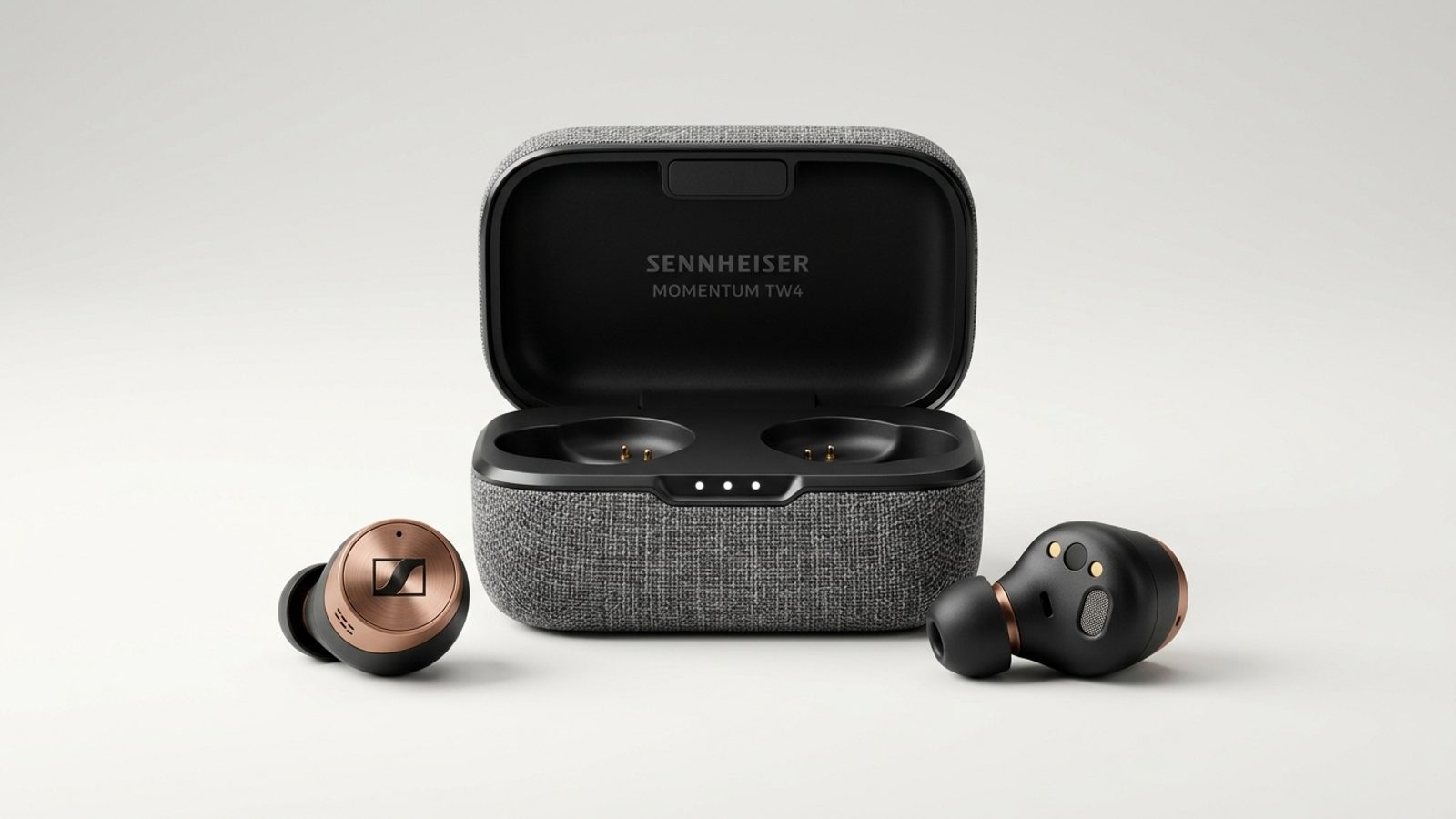
If you prioritize audiophile musicality, future-proof Auracast LE Audio, and aptX Lossless fidelity over maximum ANC isolation, read our in-depth lab review roundup of the Sennheiser Momentum True Wireless 4. Looking for alternatives built for smaller ears or sensitive ear canals? Consult our guide to the best noise-canceling earbuds for small ears.
Sources & Published Lab Reviews
- SoundGuys: Sony Wireless Earbuds ANC Review - Verified 87% average external loudness reduction measurement and frequency curves.
- SoundGuys: Bose QuietComfort Ultra Earbuds Lab Review - Verified 85% average external loudness reduction measurement and wind-noise vulnerability disclosures.
- RTINGS: Wireless Headphones & In-Ear Isolation Testing - Verified passive isolation and seal mechanics across memory foam and silicone tips.
- What Hi-Fi?: Flagship Wireless Earbuds Lab Evaluations - Verified QN3e processing architecture, timing, and LDAC resolution benchmarks.
- The Verge: Personal Audio & Noise Canceling Hardware Reviews - Verified Bose Fit Kit stability band mechanics and long-session comfort testing.
- Tom's Guide: Best Noise-Canceling Earbuds Tested - Verified battery runtime testing (8.0h Sony vs 6.0h Bose).
Independent Testing Lab Benchmarks & Measurements
Benchmark measurements and evaluations cross-referenced from named independent testing laboratories:
The earbuds demonstrate outstanding active noise canceling performance, reducing the loudness of outside noise by an average of 87%.
Bose QuietComfort Ultra Earbuds reduce the loudness of external noise by an average of 85%, placing them among the finest wireless earbuds tested.
Both models provide elite active attenuation against low-frequency transportation rumbles, with Sony benefiting from its dense foam tip seal.
Sony's QN3e processing architecture elevates musical timing and spatial separation, presenting acoustic instruments with rich dynamic precision.
Bose's stability band system remains the benchmark for physical fit. The earbuds stay locked in the outer ear without jamming into the canal.
Sony retains a clear battery life advantage at 8 hours with ANC, whereas Bose requires a midday top-up during extended international flights.
Pros & Cons Consensus
Sony WF-1000XM6
- SoundGuys lab testing measured an exceptional 87% average external noise reduction
- Dedicated QN3e noise canceling processor paired with dual-feedback mics quiets airplane cabin roar
- Class-leading 8-hour continuous playback with active noise cancellation engaged
- Supports Sony LDAC codec and Bluetooth LE Audio (LC3) for high-resolution 24-bit/96kHz wireless streaming
- Polyurethane memory foam ear tips deliver passive acoustic isolation across high-frequency chatter
- Higher $329.99 launch price makes it one of the most expensive mainstream wireless earbuds
- Expanding memory foam tips require rolling and compress-and-hold insertion before sealing
Bose QuietComfort Ultra Earbuds (2nd Gen)
- SoundGuys lab testing measured 85% average external noise reduction across ambient environments
- Two-piece Fit Kit with independent silicone umbrella tips and stability retention fins prevents ear canal fatigue
- Bose Immersive Audio provides convincing on-device spatial processing for any stereo audio source
- CustomTune acoustic calibration tailors active noise cancellation to individual ear canal shape in under 1 second
- Immediate slip-in insertion requires zero manual foam compressing or canal expanding
- Microphone housing remains susceptible to wind noise buffeting in outdoor breezy conditions
- 6-hour battery life with ANC engaged (dropping to 4 hours with Immersive Audio enabled) trails Sony
Sony WF-1000XM6 for Overall Noise Cancellation and Battery; Bose for Effortless Comfort
Sony edges ahead on acoustic attenuation, battery life, and high-res codecs; Bose remains the champion of zero-pressure long-haul comfort.
If you want the strongest active noise cancellation verified in laboratory sweeps, 8-hour battery longevity, and LDAC high-resolution fidelity, the **Sony WF-1000XM6** ($329.99) is the superior package. However, if polyurethane memory foam tips irritate your ear canals, or you want immediate slip-in comfort with physical stability bands that never slip during walking, the **Bose QuietComfort Ultra Earbuds (2nd Gen)** ($299.00) delivers 85% external noise reduction with class-leading ergonomics.
Choose Sony WF-1000XM6 If:
- You want the highest verified noise reduction (87% measured by SoundGuys) for subway and flight commutes
- You need 8 full hours of continuous playback with active noise cancellation engaged
- You stream lossless or 24-bit high-resolution audio on Android using Sony's LDAC codec
- You prefer the deep acoustic isolation and customized mold of polyurethane memory foam tips
Choose Bose QuietComfort Ultra Earbuds (2nd Gen) If:
- You experience ear canal fatigue or pressure from deep-insertion memory foam earbuds
- You want modular silicone umbrella tips paired with outer stability bands that lock securely in the concha
- You love spatial audio and want Bose Immersive Audio to process any stereo audio source in real time
- You want to save $30 off the launch price of flagship noise-canceling earbuds
Frequently Asked Questions
Which earbuds cancel more ambient noise: Sony WF-1000XM6 or Bose QC Ultra 2?
In standardized acoustic testing by SoundGuys, the Sony earbuds achieved an 87% average external noise reduction, slightly outperforming the Bose QuietComfort Ultra Earbuds (85%). Sony's combination of dense polyurethane foam tips and the QN3e noise processor provides slightly stronger isolation against continuous low-frequency hums.
Why do some reviewers prefer the fit of Bose QuietComfort Ultra Earbuds?
Bose uses a two-piece modular Fit Kit with oval silicone umbrella tips and outer concha stability retention bands. This distributes contact pressure along the outer ear rather than wedging deeply inside the canal. Sony uses polyurethane memory foam tips that must be rolled and compressed before insertion, which can create a feeling of pressure in smaller ears.
How does battery life compare between the Sony WF-1000XM6 and Bose QC Ultra 2?
The Sony WF-1000XM6 delivers 8.0 hours of continuous playback with active noise cancellation engaged (24 hours total with the charging case). The Bose QuietComfort Ultra Earbuds 2 lasts 6.0 hours with standard ANC, dropping to roughly 4.0 hours if Bose Immersive Audio spatial processing is continuously active.
Do either of these earbuds suffer from outdoor wind noise?
In testing documented by SoundGuys, the Bose QuietComfort Ultra Earbuds can struggle with outdoor wind noise, as passing gusts create buffeting rumble across the exterior feedback microphones. Sony's recessed structural mesh microphone baffle deflects wind more effectively.
Which model is better for Android vs Apple iPhone users?
Sony is advantageous for Android users because it supports the high-resolution LDAC codec up to 990 kbps and Google Fast Pair. For iPhone users, both earbuds connect via standard AAC, but Bose Immersive Audio works system-wide on iOS without requiring specialized app support.