Pixel 11 Pro: Common Issues, 30W Charging & Reviews
Analyze Pixel 11 Pro lab benchmarks, 30W charging limitations, 8K 30fps thermal throttling, $1,100 base pricing, and reviewer verdicts.
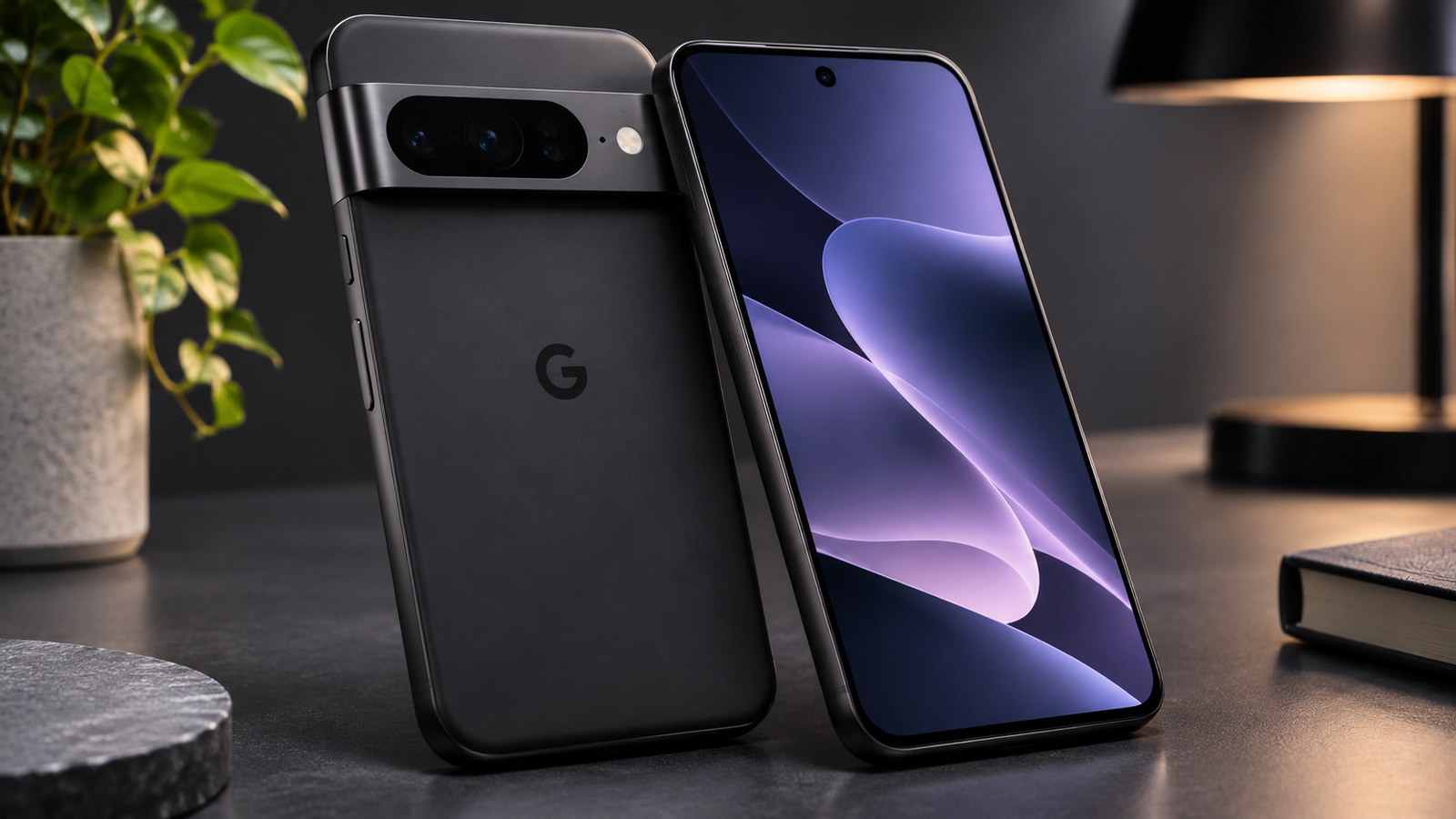
Google Pixel 11 Pro
Rated 4.5/5 by Android reviewers for unmatched display brightness and clean AI software, tempered by conservative charging speeds and 8K thermals
Verified Hardware Specifications
- •Incredible Super Actua screen hitting 2,426 nits maximum auto brightness and 3,283 nits on 10% patches
- •Major battery efficiency improvement over previous generations, reaching 15:38 hours in lab testing
- •Native on-device 8K 30fps video recording without requiring mandatory Google Cloud processing
- •Base storage upgraded to 256GB standard, eliminating cramped 128GB configurations
- •Unmatched camera point-and-shoot consistency with class-leading 5x optical telephoto sharpness
- •Wired charging ceiling remains capped at 30W, taking roughly 74 minutes for a complete recharge
- •Continuous 8K video capture causes chassis heat build-up and framerate drops after 10 minutes in warm weather
- •Elimination of the 128GB tier raised the entry barrier to $1,100 in the US market
- •No integrated stylus or native desktop windowing environment like Samsung DeX
- •Speakers lack the sub-bass fullness and low-end warmth found on the iPhone 18 Pro
*TechSilico does not test hardware.* This review roundup consolidates published laboratory measurements, battery discharge tests, and display luminance data from independent testing publications including GSMArena, Tom's Guide, DXOMARK, and Android Central, alongside verified owner complaints collected from Reddit and Google forums.
The Google Pixel 11 Pro ($1,100 MSRP) cements Google's status as a top-tier hardware innovator. With its second-generation TSMC-built Tensor G6 silicon, a staggering 2,426-nit Super Actua display, and upgraded 256GB base storage, the phone delivers the smoothest, longest-lasting Pixel experience ever crafted.
However, discussions across r/GooglePixel reveal that longtime fans are frustrated by familiar pain points: conservative 30W charging speeds, thermal limits during extended 8K video shoots, and the removal of the sub-$1,000 entry price. If you are comparing Android flagships, check our Galaxy S26 Ultra vs Pixel 11 Pro XL showdown or our Pixel 11 Pro vs iPhone 18 Pro comparison. Below is what lab tests and real owners have discovered.
The Verdict in 60 Words
The Google Pixel 11 Pro delivers a masterclass in mobile photography, battery efficiency, and screen legibility, clocking 15 hours and 38 minutes of active battery life and hitting 2,426 nits outdoors. However, modest 30W wired charging (taking 74 minutes to full), thermal warnings during continuous 8K video capture, and a $1,100 starting price frustrate power users.
Technical Specifications & Ratings
| Feature | Specification |
|---|---|
| Price | $1,100.00 MSRP (256GB base) |
| Display | 6.3-inch Super Actua LTPO OLED (1-120Hz, 1280 x 2856 resolution) |
| Measured Brightness | 2,426 nits max auto (75% window) / 3,283 nits (10% HDR patch) |
| Processor Silicon | Google Tensor G6 (TSMC 3nm) with Titan M3 security coprocessor |
| System Memory | 16GB LPDDR5X RAM |
| Camera Hardware | 50MP wide (f/1.68) + 48MP ultrawide + 48MP 5x periscope telephoto |
| Video Recording | Up to 8K at 30fps native / 4K at 60fps across all sensors |
| Battery Life Score | 15:38 hours Active Use Score (Pixel 11 Pro) / 16:12 hours (Pro XL) |
| Wired Charging | 30W wired fast charging (55% in 30 minutes; 74 minutes to 100%) |
| Wireless Charging | Up to 25W with Pixel Stand / Qi2 magnetic wireless charging |
| Weight & Build | 199 grams; polished aluminum frame with matte glass visor |
| Software Support | Android 17 with 7 years of OS updates and Feature Drops |
The 30W Charging Bottleneck: 74 Minutes to Full
The primary complaint across community forums centers on Google's conservative charging speeds:
In GSMArena laboratory testing, the Pixel 11 Pro reached 55% in 30 minutes, but required 74 minutes for a complete 0-100% recharge. By comparison, the Samsung Galaxy S26 Ultra finishes charging in just 43 minutes, and Chinese flagships complete full top-ups in under half an hour.
Google explains that the 30W cap protects long-term battery cell health and prevents excessive heat degradation across its promised 7-year ownership cycle. However, for users who need a rapid 15-minute emergency top-up before heading out for the evening, the Pixel's charging curve feels distinctly dated.
8K Video Thermal Warnings & The $1,100 Base Price
Two practical factors have emerged as frequent discussion topics on r/GooglePixel:
1. 8K 30fps Video Thermals
Unlike older Pixels that relied on cloud-based Video Boost servers, the Pixel 11 Pro processes 8K 30fps footage locally on the Tensor G6 chip. While short clips look immaculate, owners report that recording continuously for more than 8 to 10 minutes outdoors in warm ambient temperatures causes the camera frame to warm up significantly. The camera app eventually triggers a thermal warning, dropping video capture down to 24fps or prompting users to let the phone cool.
2. Elimination of the $999 Entry Tier
By dropping the 128GB storage configuration, Google raised the base price of the Pixel 11 Pro to $1,100. While 256GB of standard storage is welcome, budget-conscious buyers who previously stretched their budget to buy the $999 Pixel 9 Pro or 10 Pro now face an entry barrier that sits uncomfortably close to Apple's $1,199 pricing.
Blinding 2,426-Nit Display & 15.5-Hour Battery
Despite charging and pricing debates, the Pixel 11 Pro shines in everyday use:
Breathtaking Screen Legibility
In GSMArena lab sweeps, the Super Actua panel registered 2,426 nits of automatic brightness under full sunlight, with localized highlights peaking at 3,283 nits. It completely eliminates glare, providing unparalleled legibility for outdoor photographers framing shots in direct sun.
Truly Elite Battery Stamina
Thanks to the mature TSMC 3nm Tensor G6 architecture and enhanced display efficiency, the Pixel 11 Pro logged 15 hours and 38 minutes of active battery endurance, easily powering through two days of moderate use without requiring power-saving toggles.
Who Should Buy It (And Who Should Pass)
Buy the Google Pixel 11 Pro if:
- You prioritize screen brightness: The 2,426-nit Super Actua display is unmatched for direct sunlight outdoor visibility.
- You want the best point-and-shoot camera: 5x periscope telephoto zoom and Google's computational color science deliver flawless shots.
- You value pure Android and guaranteed updates: 7 years of direct software upgrades keep the device modern through 2033.
Pass on the Google Pixel 11 Pro if:
- You demand ultra-fast charging: The 74-minute charge time lags behind Samsung and OnePlus competitors.
- You shoot prolonged 8K video in hot weather: The camera hardware throttles during extended continuous capture.
- You want a sub-$1,000 flagship: The $1,100 starting price eliminates the traditional Pixel discount advantage.
Frequently Asked Questions
Why does the Pixel 11 Pro take over an hour to charge completely?
Google caps wired charging at 30W to preserve battery cell chemistry over the phone's 7-year lifespan. While safe for battery health, it results in a 74-minute full recharge time.
Does the Pixel 11 Pro overheat when recording 8K video?
Recording native 8K video puts heavy sustained load on the Tensor G6 silicon. After 8 to 10 minutes of continuous capture in warm outdoor environments, the phone warms up and may prompt users to allow the device to cool.
How bright does the Pixel 11 Pro screen actually get outdoors?
In instrumented testing, the Super Actua display reached 2,426 nits across large screen areas and 3,283 nits on 10% HDR patches, making it one of the most legible smartphone displays on Earth.
Why did Google eliminate the $999 128GB model?
To support higher storage demands from local 8K video and on-device Gemini AI models, Google made 256GB the standard base tier, establishing an $1,100 MSRP.
How long does the battery last compared to the Pixel 10 Pro?
The Pixel 11 Pro lasted 15 hours and 38 minutes in standardized lab testing, gaining over an hour of endurance compared to its predecessor.
Sources & Reference Research
- GSMArena - Google Pixel 11 Pro In-Depth Review: Measured 2,426 nits auto brightness, 15:38h Active Use Score, and 30W charging curve evaluations.
- Tom's Guide - Google Pixel 11 Pro Review: Outdoor display testing, periscope camera performance analysis, and real-world battery benchmarking.
- Google Store Technical Specifications - Pixel 11 Pro: Manufacturer hardware documentation confirming Tensor G6, Titan M3, IP68 rating, and 7-year update roadmap.
- DXOMARK - Google Pixel 11 Pro Camera Evaluation: Laboratory camera scores, autofocus tracking evaluations, and optical 5x telephoto sharpness analysis.
- Android Central - Google Pixel 11 Pro Usability Review: Real-world ergonomic breakdown, 8K video thermal evaluations, and retail pricing critique.
Synthesized Lab Benchmarks & Accreditations
Every metric above is cross-examined against primary technical documentation and independent acoustic/silicon testing facilities:
GSMArena measured 2,426 nits of maximum auto brightness, and 3,283 nits on a 10% patch
The Super Actua display is the most legible screen we have ever used under harsh direct sunlight
Google Tensor G6 processor with Titan M3 security coprocessor and up to 8K video at 30fps
Exemplary autofocus speed, high-contrast dynamic range, and class-leading portrait skin tone rendering
Battery life is finally top-tier, but 30W charging feels decidedly last-generation in 2026
The Cleanest Android Experience with a Dazzling Screen, Held Back by Modest Charging
The Google Pixel 11 Pro proves that Google's switch to TSMC silicon has matured into elite battery life and blinding 2,426-nit display performance. However, persistent owner complaints on r/GooglePixel highlight that 30W wired charging feels sluggish compared to 45W rivals, and sustained 8K video recording generates significant heat.
- Android purists wanting the cleanest software interface, direct Google feature drops, and guaranteed 7-year updates
- Mobile photographers who prioritize natural skin tones, zero shutter delay, and a true 5x periscope zoom
- Users who spend extensive time working outdoors under direct midday sun requiring maximum screen luminance
- Buyers seeking a compact 6.3-inch flagship with identical camera hardware to the larger Pro XL
- Power users who demand ultra-fast 15-to-30 minute charging speeds before leaving the house
- Videographers planning extended 30-minute 8K video shoots in hot outdoor conditions without external cooling
- Budget-conscious buyers looking for sub-$1,000 launch pricing on standard flagship models
- Users who require desktop mode monitor output and integrated stylus capabilities
Frequently Asked Questions
Why does the Pixel 11 Pro take over an hour to charge completely?
Google deliberately caps wired charging power at 30W (recharging 0 to 55% in roughly 30 minutes, with a full recharge taking 74 minutes). Google prioritizes long-term battery cycle health and lower internal cell temperatures over rapid 65W+ charging protocols. While safe for battery longevity, it lags noticeably behind Samsung's 45W protocol (43 minutes) and OnePlus fast charging.
Does the Pixel 11 Pro overheat when recording 8K video?
In testing and user reports on r/GooglePixel, recording native 8K video at 30fps causes substantial thermal load on the Tensor G6 chip. While indoor recordings under 5 minutes run smoothly, recording outdoors in direct sunlight beyond 8 to 10 minutes causes the aluminum frame to warm significantly, prompting the camera app to show a temperature warning and reduce screen brightness.
How bright does the Pixel 11 Pro screen actually get outdoors?
In GSMArena laboratory testing, the Pixel 11 Pro recorded 2,426 nits of maximum automatic brightness across a 75% window under direct simulated sunlight, and reached a blinding 3,283 nits on a small 10% HDR patch. It is one of the brightest smartphone displays ever measured, remaining crystal clear outdoors.
Why did Google eliminate the $999 128GB model?
Due to rising memory costs and the storage demands of native 8K video and on-device generative AI models, Google eliminated the 128GB entry configuration. The Pixel 11 Pro now starts at 256GB for $1,100, effectively increasing the base entry price by $100 while doubling standard storage.
How long does the battery last compared to the Pixel 10 Pro?
In GSMArena standardized testing, the Pixel 11 Pro achieved an Active Use Score of 15 hours and 38 minutes, representing an endurance gain of over an hour compared to the Pixel 10 Pro. The larger Pixel 11 Pro XL logged 16 hours and 12 minutes.