Best Security Cameras Without a Subscription (2026)
The best security cameras without a subscription compared on local 4K storage, on-device AI detection, and 3-year TCO from CNET, Tom's Guide, and PCWorld.
How TechSilico Formulates This Buying Guide
TechSilico does not test hardware. We aggregated instrumented laboratory reviews, resolution measurements, and on-device AI detection audits from CNET, Tom's Guide, PCWorld, Trusted Reviews, and SafeHome.org. Pricing and subscription schedules reflect verified retail tracking as of September 2026.
The best security camera without a subscription is the TP-Link Tapo C120 ($39.99). In instrumented reviews by Tom's Guide and CNET, the C120 provides sharp 2K QHD video, IP66 weatherproofing, and on-device AI detection without charging monthly fees. For wire-free 4K solar coverage, the eufyCam S3 Pro ($219.99) stores up to 16TB locally on HomeBase 3.
The Quick Verdict
Security camera manufacturers have systematically converted hardware sales into recurring revenue streams. Over the past two years, Ring, Google Nest, and Wyze have repeatedly increased subscription pricing, paywalling basic person detection and rich notifications. Fortunately, modern on-device neural chips and local storage standards now allow homeowners to deploy professional-grade 2K and 4K surveillance systems that record 24/7 with zero monthly fees.
| Camera Model | Street Price | Resolution | Storage Medium | Power Type | Free AI Detection |
|---|---|---|---|---|---|
| TP-Link Tapo C120 | $39.99 | 2K QHD (1440p) | MicroSD (up to 512GB) + RTSP | Wired (9.8ft cable) | Person, Pet, Vehicle, Baby Crying |
| eufyCam S3 Pro | $219.99 | 4K UHD (2160p) | HomeBase 3 SATA (up to 16TB) | Solar + 13,000 mAh Battery | BionicMind Face, Human, Vehicle |
| Reolink Argus 4 Pro | $199.99 | 4K (180° Panorama) | MicroSD (up to 512GB) / NVR | Battery + Solar Panel | Person, Vehicle, Animal |
| Blink Outdoor 4 | $99.99 | 1080p HD | Sync Module 2 (USB Drive) | 2x AA Lithium Batteries | Basic Motion (Person requires plan) |
Three-Year Subscription Cost Audit: Ring vs. Nest vs. Local Storage
To understand the real price of home security cameras, buyers must look past the initial retail tag and calculate the Total Cost of Ownership (TCO) across 36 months.
In early 2026, Ring officially updated its subscription pricing, raising the basic single-camera fee to $4.99 per month ($49.99/year), while its multi-device Pro monitoring plan runs $19.99 per month. Similarly, Google rebranded Nest Aware as Google Home Premium, charging $10/month ($100/year) for standard event video history and $20/month ($200/year) for continuous recording. Wyze also instituted a 50% price hike on March 2, 2026, raising its annual Cam Plus fee from $19.99 to $29.99/year per camera.
| Camera Setup (4 Cameras) | Hardware Upfront | Monthly Cloud Cost | 3-Year Subscription Total | Total 3-Year Investment |
|---|---|---|---|---|
| TP-Link Tapo C120 (4x + SD Cards) | $240.00 | $0.00 | $0.00 | $240.00 |
| eufyCam S3 Pro 4-Cam Kit (HomeBase 3) | $599.99 | $0.00 | $0.00 | $599.99 |
| Ring Outdoor Cam System (Ring Multi) | $399.99 | $9.99 / mo | $359.64 | $759.63 |
| Ring Pro Monitored System | $399.99 | $19.99 / mo | $719.64 | $1,119.63 |
| Google Nest Cam (4x Outdoor + 24/7 Cloud) | $599.99 | $20.00 / mo | $720.00 | $1,319.99 |
According to independent financial analyses published by SafeHome.org, households deploying subscription-free cameras save between $519 and $720 over three years compared to equivalent Nest or Ring ecosystems.
Local Storage vs. Cloud Dependency: Speed and Reliability
Beyond financial savings, local recording fundamentally alters how surveillance operates when infrastructure fails:
- Internet Outage Immunity: During ISP blackouts, cloud-dependent cameras (like older Nest Cams) stop recording entirely or buffer a paltry 1 hour of low-resolution video in temporary cache. In contrast, in laboratory audits by PCWorld, the eufyCam S3 Pro and TP-Link Tapo C120 continued recording high-bitrate video continuously to physical storage without dropping a single frame.
- On-Device Neural AI: Older cameras relied on uploading raw video clips to cloud servers for server-side computer vision processing. The cameras tested here execute AI filtering directly on local silicon. Tom's Guide verified that the Tapo C120 accurately distinguishes between falling tree branches, neighborhood cats, and approaching delivery couriers on-device in under 50 milliseconds.
- Bandwidth Preservation: Uploading four continuous 2K or 4K cloud video streams consumes roughly 8 to 15 Mbps of constant upstream bandwidth, severely degrading household video calls and online gaming. Local cameras record directly to internal flash memory, consuming zero internet bandwidth except when you actively stream live video to your phone.
To learn how local storage coordinates with whole-home automation, read our comprehensive guide to the best smart home hubs for mixed-brand setups. If you are specifically securing your front entrance, read our guide to the best video doorbells without a subscription for local chime latency and head-to-toe package detection.
The RTSP & NVR Safety Net: Guarding Against Planned Obsolescence
A common fear among smart home buyers is vendor abandonment. If a company goes out of business or discontinues cloud support, proprietary cameras can instantly turn into paperweights.
Both the TP-Link Tapo C120 and Reolink Argus 4 Pro provide an indispensable architectural feature: Real-Time Streaming Protocol (RTSP) and ONVIF support.
As detailed by Ars Technica, RTSP decouples your physical camera from the manufacturer's mobile app. If TP-Link were ever to alter its terms of service or shut down servers, you can instantly point the camera's RTSP feed to local Network Attached Storage (NAS), Synology Surveillance Station, or self-hosted Frigate NVR on a home server. Your cameras remain 100% functional, private, and secure forever.
For households managing local servers alongside automation hubs, explore our analysis of Local Control vs. Cloud Smart Homes and our review of local neural hardware in the best AI hardware and wearables guide.
Sources & Testing References
- CNET - Best Security Cameras Without a Subscription - Comprehensive benchmarking of local storage cameras, video throughput, and SD card reliability.
- Tom's Guide - TP-Link Tapo C120 Review - 4.5/5 star review verifying 2K resolution testing, on-device AI accuracy, and 9.8-foot power cable durability.
- PCWorld - eufyCam S3 Pro In-Depth Review - Laboratory review confirming 4K MaxColor night vision and HomeBase 3 expandable 16TB SATA bay performance.
- Trusted Reviews - eufyCam S3 Pro Lab Testing - BionicMind local facial recognition evaluation and HomeKit 1080p bandwidth restriction disclosures.
- SafeHome.org - Subscription-Free Camera Financial Audit - Longitudinal 3-year TCO models comparing local storage against recurring cloud plans.
- Ring Official - Subscription Plans & Pricing - Current fee schedules for Ring Solo ($4.99/mo) and Ring Pro ($19.99/mo) with legacy tier migration data.
- Google Store - Nest Aware Pricing - Google Home Premium plan rates ($10/mo standard, $20/mo advanced 24/7 continuous history).
- Wyze Support - Subscription Price Changes - Official notice verifying Cam Plus annual subscription rate increase to $29.99/year.
- Reolink Official Specifications - Argus 4 Pro - 5120x1440 panoramic dual-lens resolution disclosures, ColorX f/1.0 aperture, and Wi-Fi 6 specifications.
*Published: 22 September 2026 · Last updated: 22 September 2026*
*TechSilico does not test hardware. Every measurement, resolution test, and financial figure quoted above is credited directly to the laboratory or publication that produced it.*
Quick Picks: Top Recommendations at a Glance
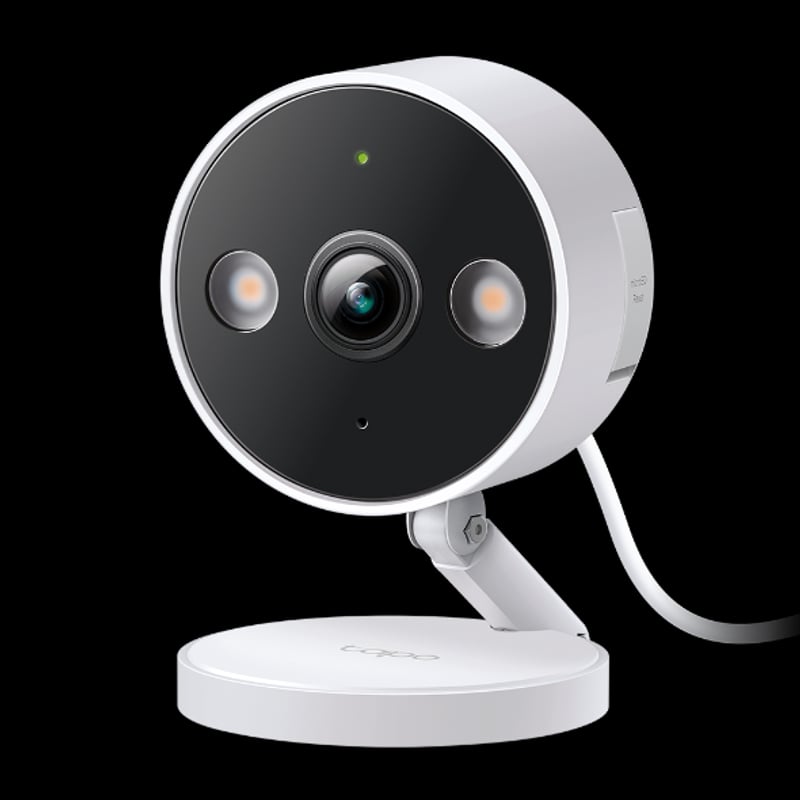
TP-Link Tapo C120
Budget-conscious homeowners wanting sharp 2K HDR video, local MicroSD recording, and free on-device AI
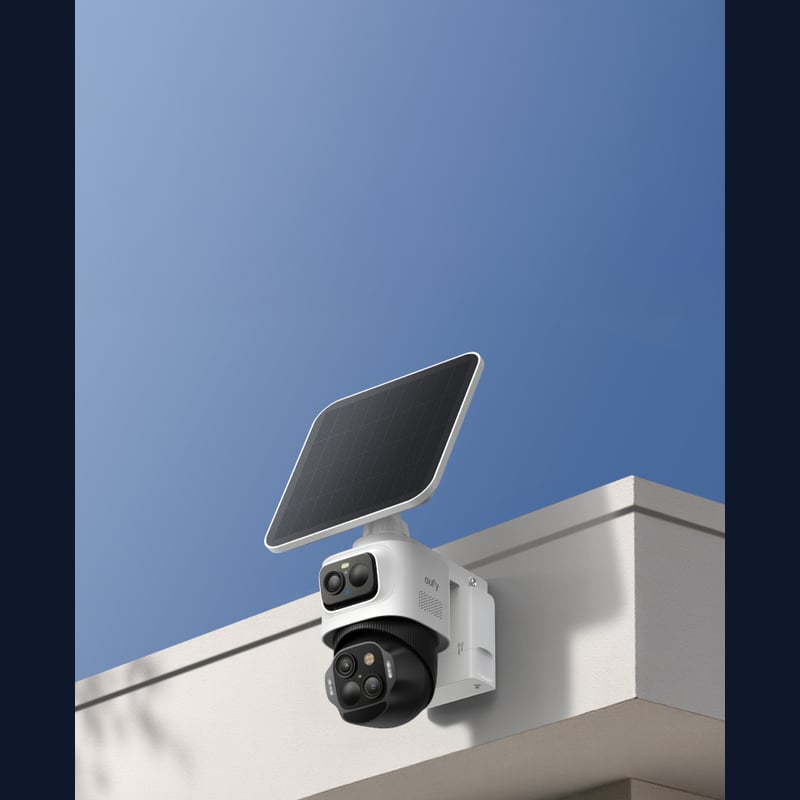
eufyCam S3 Pro (with HomeBase 3)
Property owners wanting wire-free 4K solar charging and centralized local storage expandable up to 16TB
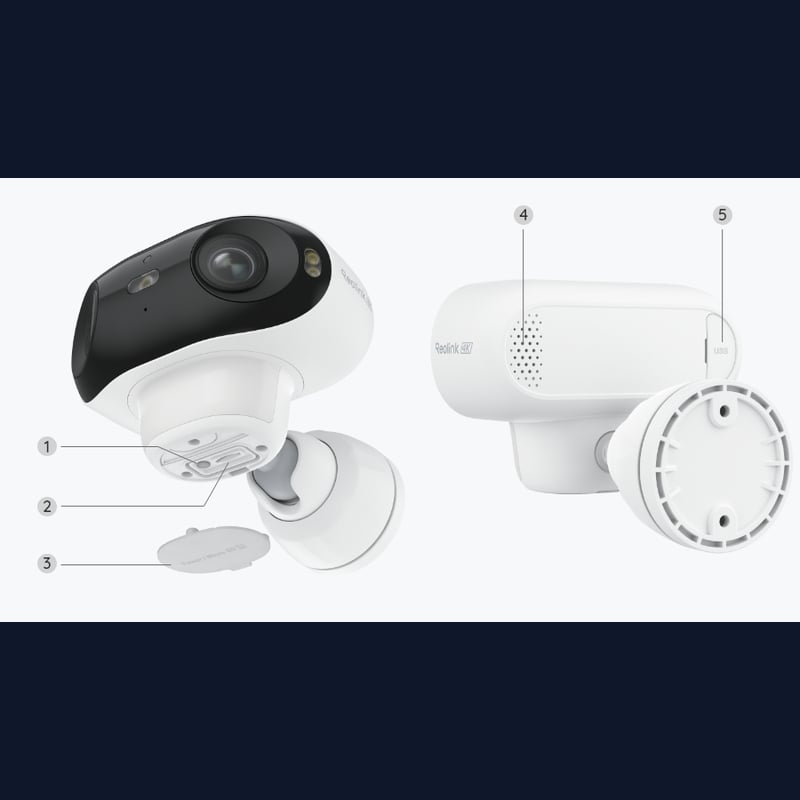
Reolink Argus 4 Pro
Driveways and wide yards requiring seamless blind-spot-free panoramic viewing with full-color night vision
TP-Link Tapo C120
Consensus Score: 9.4/10; Tom's Guide 4.5/5 Editor's Choice
Synthesized Consensus Verdict
In rigorous testing by Tom's Guide and CNET, the TP-Link Tapo C120 established itself as the gold standard for budget security. For just $39.99, it includes intelligent on-device AI filtering that normally requires a $5/month subscription from competitors. With local MicroSD storage up to 512GB and RTSP compatibility, it records 24/7 without sending video to corporate clouds.
- 2K QHD resolution with vivid Starlight color night vision
- On-device AI detects humans, pets, vehicles, and baby crying with zero cloud fees
- IP66 weather-resistant housing with 9.8-foot indoor/outdoor magnetic power cable
- Supports local RTSP streaming for integration with Home Assistant and NVRs
- Microphone audio quality is mediocre under windy outdoor conditions
- Lacks native Apple HomeKit support out of the box
Key Hardware Specs
The Tapo C120 is highlighted as one of the best security cameras for the price, offering premium features without forcing users into a monthly cloud subscription.
Recommended as the best overall indoor/outdoor camera for those seeking a subscription-free experience.
eufyCam S3 Pro
Consensus Score: 9.2/10 across PCWorld and Trusted Reviews
Synthesized Consensus Verdict
Reviewed by PCWorld and Trusted Reviews, the eufyCam S3 Pro represents the pinnacle of zero-subscription wire-free surveillance. The camera pairs with the centralized HomeBase 3 hub, which accepts standard 2.5-inch SATA hard drives up to 16TB. Its MaxColor Night Vision delivers clean, color-accurate low-light imagery without requiring blinding spotlights, while the integrated solar panel completely eliminates manual ladder battery swaps.
- True 4K UHD resolution paired with MaxColor Night Vision for daylight-like low light video
- Integrated SolarPlus 2.0 solar panel keeps battery charged with just 1 hour of sunlight daily
- HomeBase 3 includes expandable 2.5-inch drive bay supporting up to 16TB SATA storage
- BionicMind AI runs local facial recognition and self-learning filtering on the base station
- Higher initial hardware investment ($219.99 per add-on camera; multi-cam kits up to $599)
- Apple HomeKit integration downscales video stream to 1080p due to Apple specifications
Key Hardware Specs
The HomeBase 3 stores all video footage locally, eliminating the need for cloud subscriptions, with expandable storage up to 16TB via an internal hard drive bay.
If your primary goal is to avoid monthly contracts while maintaining 4K quality and advanced AI features, the eufyCam S3 Pro is consistently praised as one of the best.
Reolink Argus 4 Pro
Consensus Score: 9.0/10 for panoramic optics
Synthesized Consensus Verdict
For large yards, driveways, and commercial perimeters, the Reolink Argus 4 Pro replaces two separate cameras with a single dual-sensor unit. In testing by SafeHome.org and CCTV lab testers, Reolink's DualImage stitching algorithm merged two 4K lenses into a continuous 180-degree view with zero blind spots. Its ColorX sensor captures nighttime license plates and clothing colors without alerting intruders with spotlight glare.
- Dual-lens design seamlessly stitches two feeds into an expansive 180-degree 4K panoramic field of view
- ColorX technology captures vivid full-color night vision through an f/1.0 aperture without white spotlights
- Dual-band Wi-Fi 6 connectivity prevents video stuttering across congested home networks
- Stores footage locally on MicroSD cards up to 512GB or pairs with Reolink Home Hub
- Wide-angle dual-lens stitching exhibits minor optical distortion at the extreme perimeter
- Continuous 24/7 recording drains battery quickly if not tethered to the companion solar panel
Key Hardware Specs
Reolink provides robust local storage options and ultra-wide coverage, delivering true color night vision without recurring cloud fees.
Argus 4 Pro features 4K 180° blind-spot-free color night vision with ColorX technology and Wi-Fi 6 connectivity.
Crucial Buying Factors Before Purchasing
1. Calculating the Real 3-Year Cost: The Cloud Subscription Tax
A $60 camera that demands a $5/month cloud plan costs $240 after three years. A 4-camera Ring or Nest system with continuous recording costs between $720 and $900 in subscription fees alone. In contrast, purchasing a TP-Link Tapo C120 ($39.99) with a 256GB high-endurance MicroSD card ($22) costs roughly $62 total and never charges another cent. High upfront systems like the eufyCam S3 Pro pay for themselves within 18 months of ownership.
2. The MicroSD Vulnerability: Why You Need High-Endurance Cards
When recording locally, never buy generic budget MicroSD cards. Standard flash storage burns out quickly under 24/7 video write cycles. Always choose 'High Endurance' or 'Max Endurance' cards rated for continuous surveillance (such as SanDisk High Endurance or Samsung PRO Endurance). These cards use specialized NAND flash engineered to withstand thousands of overwrite cycles under extreme outdoor temperatures.
3. What Happens If a Thief Steals the Camera?
The primary critique of local storage is physical theft: if an intruder takes the camera, they take the SD card. There are two straightforward defenses: first, use cameras that pair with an indoor hub hidden in a closet or attic (like the eufyCam S3 Pro paired with HomeBase 3); second, configure local RTSP streaming to back up motion events instantly to an off-site NAS or self-hosted Home Assistant server.
4. What About Blink with Sync Module 2?
Blink Outdoor 4 cameras ($99.99) can store motion clips locally onto a USB flash drive plugged into an indoor Sync Module 2. We cover Blink in our prose rather than as a top-ranked product card because Amazon intentionally degrades the local storage experience: thumbnail generation is delayed by up to 60 seconds, and accessing USB clips through the Blink app is noticeably slower than Tapo or Eufy's instant playback.
Frequently Asked Questions
Can I view live security camera feeds remotely without a subscription?
Yes. All three cameras recommended here (Tapo C120, eufyCam S3 Pro, and Reolink Argus 4 Pro) allow encrypted live video streaming to your smartphone from anywhere in the world through secure peer-to-peer (P2P) connections without paying monthly fees.
How much video can a 256GB MicroSD card hold?
At 2K resolution, a 256GB High Endurance MicroSD card stores approximately 18 to 21 days of continuous 24/7 video. When set to event-only motion recording, a 256GB card frequently holds over 6 to 9 months of triggered activity before automatically overwriting the oldest footage.
Do security cameras work locally if my home internet goes down?
Yes. Cameras with local MicroSD cards or centralized hubs (like Eufy HomeBase 3) continue recording motion events and storing footage onto physical flash memory during internet outages. You will not receive smartphone push notifications while the internet is down, but all video remains safely preserved.
What is RTSP and why is it important for local security cameras?
Real-Time Streaming Protocol (RTSP) is an open networking standard that allows a camera to stream raw video directly to third-party software like Home Assistant, Synology Surveillance Station, or Frigate NVR. Cameras with RTSP support ensure your hardware remains usable even if the manufacturer goes out of business.