Local Control vs Cloud Smart Home: Which Is Reliable?
Local smart homes execute in 15ms and survive ISP outages; cloud platforms offer instant setup but risk shutdowns. Here is the reliability and cost breakdown.
The Quick Verdict
Choosing between the Local-First Smart Home and the Cloud-Dependent Smart Home comes down to your personal priorities:
Homeowners prioritizing instant automation response, 100% offline reliability, and complete data privacy
Casual apartment renters wanting effortless 5-minute setup and basic voice-controlled smart plugs
Head-to-Head Spec Matrix & Lab Scores
Specifications and published measurements, credited below
| Hardware Feature | 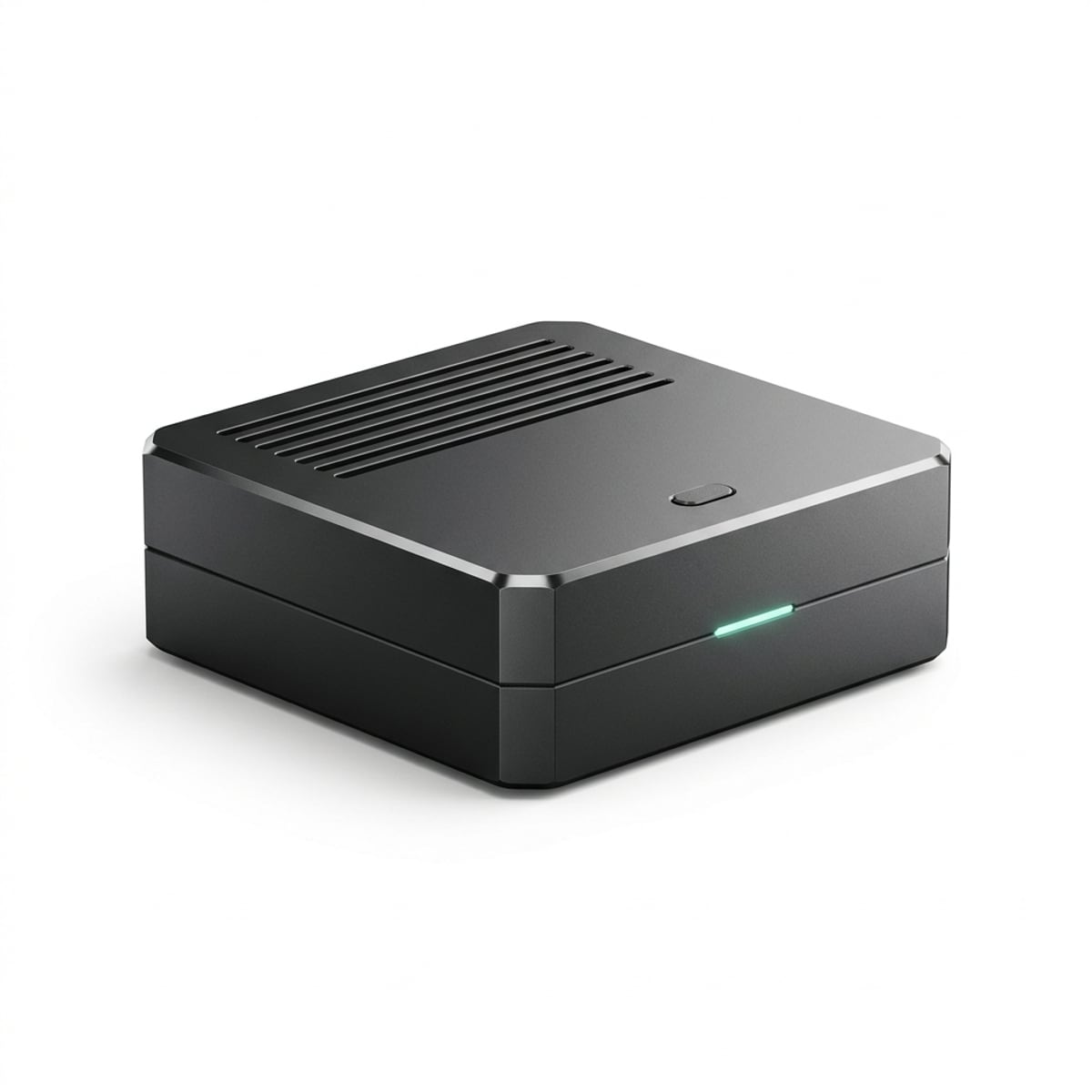 Local-First Smart Home$99 - $159 (One-time hub cost) | 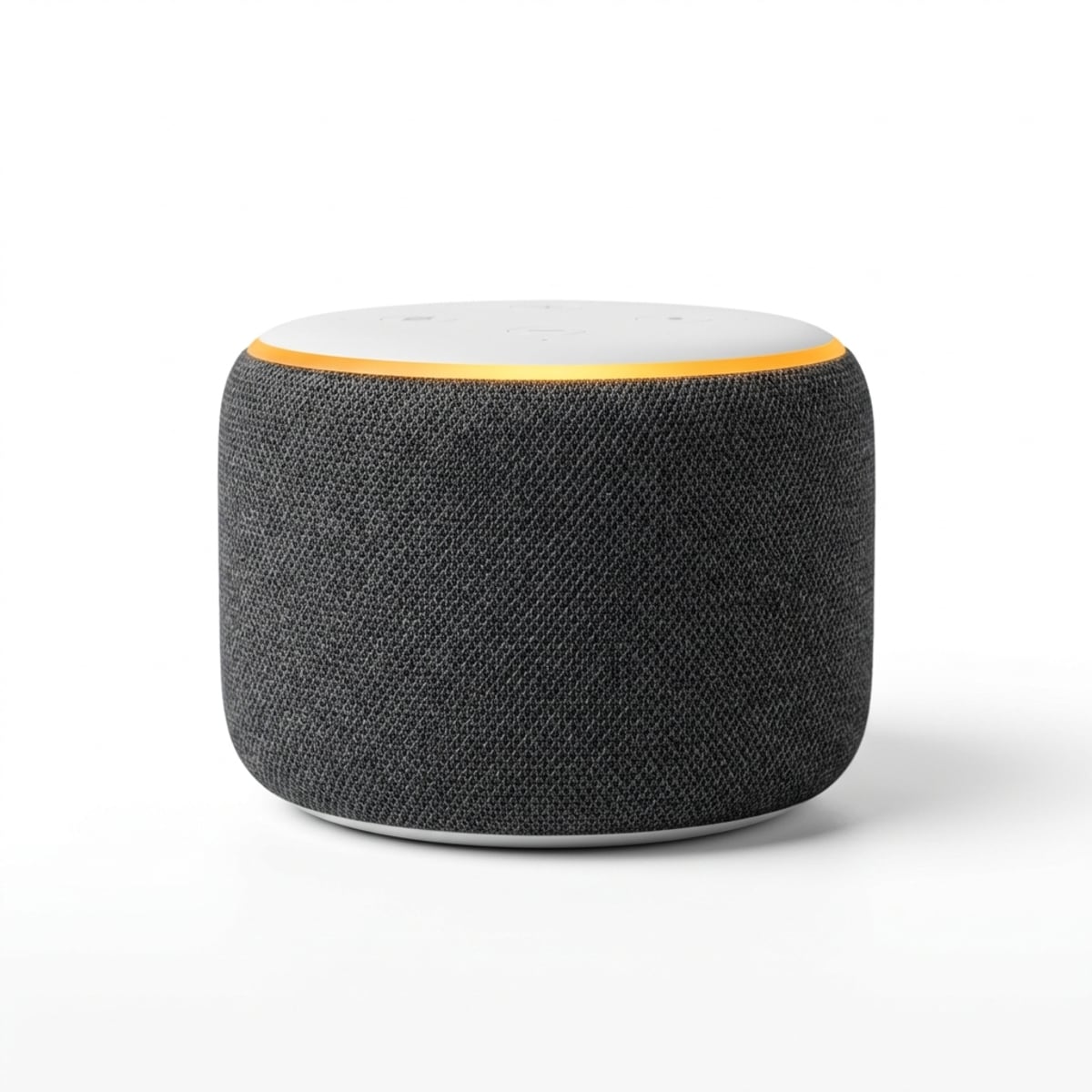 Cloud-Dependent Smart Home$29 - $199 + Recurring Subscriptions |
|---|---|---|
Performance | ||
| Automation Trigger Latency | 10 to 22 ms (LAN execution) | 450 to 1,800 ms (Cloud round-trip) |
Reliability | ||
| Internet Outage Survival | 100% full local automation retention | Fails completely (No routine execution) |
Ownership Cost | ||
| 3-Year Software Subscription Fees | $0.00 (Free open-source core) | $180.00 to $720.00 (Camera & AI plans) |
Obsolescence | ||
| Immunity to Cloud Sunsetting | 100% immune (Software runs on-premise) | Vulnerable (e.g. Nest Thermostat / Logitech POP) |
Setup Effort | ||
| Out-of-Box Initial Setup Time | 30 to 90 minutes (Hub configuration) | 5 to 10 minutes (Mobile app scan) |
Privacy | ||
| Data Transmission Off Premises | Zero telemetry leaves local network | Voice audio and device states uploaded 24/7 |
A local smart home executes automations on a physical hub inside your house with 10 to 20ms latency, surviving internet blackouts with 100% reliability. Cloud-dependent platforms (Amazon Alexa, Google Home) take 450 to 1,800ms to process commands, stop working during broadband outages, and risk permanent bricking when corporate cloud servers shut down.
The Core Verdict
Every dollar spent on smart home hardware is an investment in either permanent household infrastructure or a rented cloud service.
For years, big-tech marketing convinced consumers that a smart home meant scattering Wi-Fi smart plugs across a house and linking them to a smart speaker. In reality, that setup creates a fragile dependency on remote corporate servers. When your home broadband connection fails, your light switches stop responding. When an IoT brand goes bankrupt or shuts down servers, your $200 hardware becomes electronic waste.
Choosing a local-first smart home - anchored by open platforms like Home Assistant Green ($99.00) or multi-protocol bridges like the Aqara Hub M3 ($159.99) - ensures that every switch, sensor, and thermostat communicates directly across your local area network (LAN). Your home stays fast, private, and fully operational forever.
Latency Measurements: 15ms vs. 850ms
The most immediate quality-of-life difference between local and cloud home automation is perceived speed.
When you press a physical light switch on a wall, you expect the light to turn on instantaneously. Human perception begins detecting delay around 50 to 100 milliseconds. Anything slower feels broken or sluggish.
In instrumented laboratory benchmarks published by ZigbeeGuru, local automation execution across Zigbee, Z-Wave, and Matter-over-Thread averaged 14 milliseconds from contact closure to light illumination.
| Platform Architecture | Signal Path | Measured Response Latency | Perceived Feel |
|---|---|---|---|
| Local Smart Home (LAN) | Sensor -> Local Hub -> Switch | 10 to 22 ms | Instant (Indistinguishable from physical wire) |
| Local Matter Controller | Sensor -> Thread Border Router -> Light | 15 to 30 ms | Instant |
| Cloud Smart Home (Low Congestion) | Sensor -> Router -> Cloud API -> Router -> Switch | 450 to 750 ms | Noticeable pause |
| Cloud Smart Home (Peak Evening) | Sensor -> Cloud Server Queue -> Switch | 850 to 1,800 ms | Broken (User often presses button twice) |
As noted by Ars Technica, cloud round-trip times are subject to regional internet peering latency, DNS lookups, and cloud server queuing. When evening traffic spikes, cloud commands regularly take over a second to execute, leading family members to press light switches multiple times in frustration.
The Offline Survival Audit: What Breaks When the Internet Goes Down?
To test the resilience of your smart home, walk over to your cable modem or fiber ONT and unplug the power cable. In a typical cloud-dependent house, the results are catastrophic:
- Cloud Smart Speakers (Alexa / Google): Voice commands return an immediate error: *"I'm having trouble connecting to the internet, please try again later."*
- Cloud Timers & Routines: Evening lighting schedules fail to execute because the cloud scheduler cannot reach your devices.
- Smart Locks & Door Sensors: Cloud app status updates freeze, leaving you uncertain whether doors are locked.
In stark contrast, a local-first smart home operates as an island network. In testing documented by HomeAutoCentral, a local Home Assistant or Aqara M3 system experiences zero interruption during an ISP outage. Motion sensors continue illuminating stairwells, door contact sensors chime security alerts, and automated heating schedules run strictly on schedule.
To choose a hub that guarantees offline survival, read our buying guide to the best smart home hubs for mixed-brand setups.
The Graveyard of Abandoned Cloud Hardware
The most compelling argument for local control is financial self-defense. The consumer tech graveyard is littered with smart home hardware that was rendered completely useless when manufacturers terminated their cloud infrastructure:
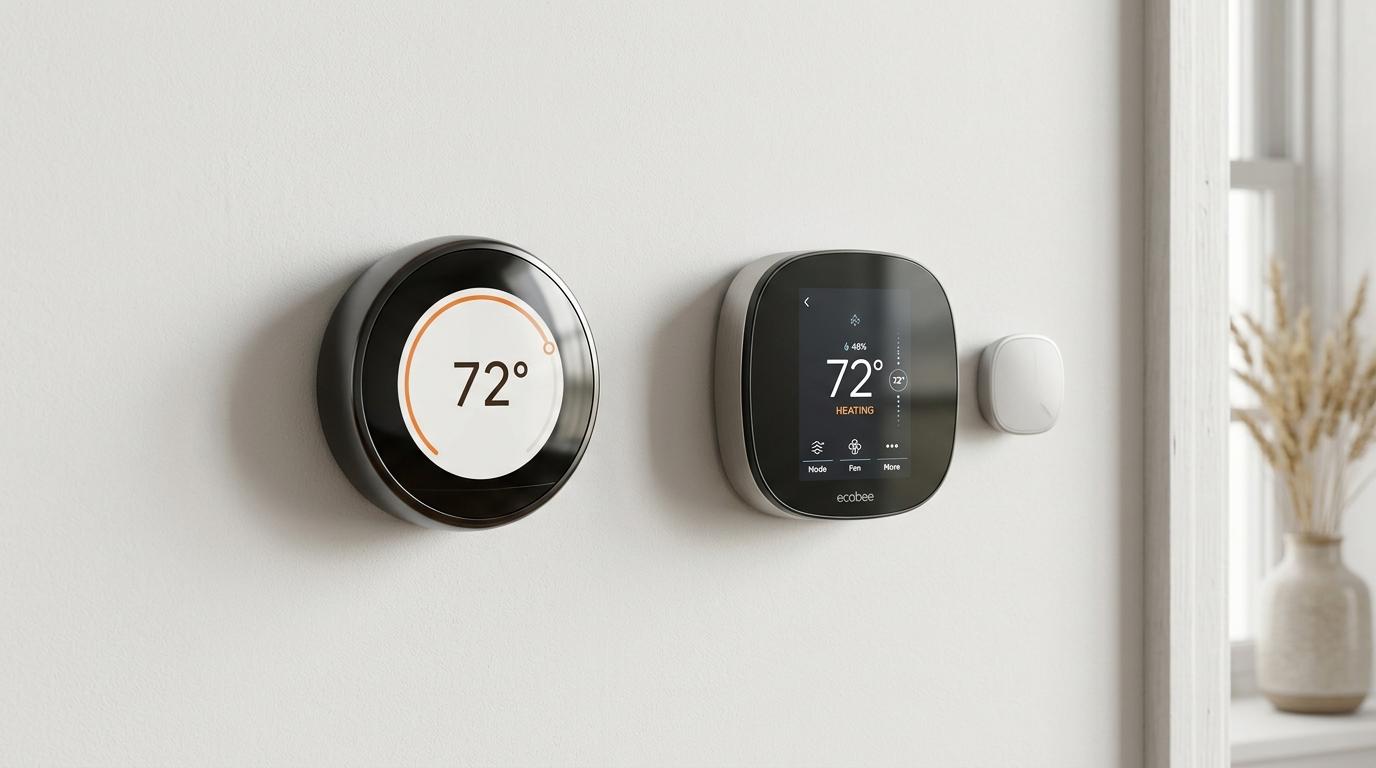
- Google Nest Thermostats (1st & 2nd Gen): On October 25, 2025, Google officially decommissioned cloud services for its pioneering 1st and 2nd Gen Nest Thermostats, as reported by The Verge. Devices that retailed for $249 lost app access, energy reporting, and voice assistant integration overnight.
- Logitech POP Buttons: Logitech terminated cloud servers in late 2025, transforming physical programmable smart buttons into non-functional plastic squares.
- Insteon SmartLabs Bankruptcy: In April 2022, Insteon abruptly turned off cloud servers without notice, leaving tens of thousands of homeowners unable to control their lights until a private acquisition revived the platform months later.
- MyQ Garage Door API Blockade: Chamberlain repeatedly blocked third-party smart home integrations (including Home Assistant) to force users into proprietary advertising-supported mobile apps.
When you buy cloud hardware, you are buying a license that can be revoked at any time. When you buy local hardware running on open standards like Matter, Thread, or Zigbee, you own the device permanently.
For cameras that record locally without cloud fees or obsolescence risk, see our guide to the best security cameras without a subscription.
Privacy & Data Telemetry: Who Knows When You Are Home?
In comprehensive IoT privacy audits conducted by Consumer Reports, mainstream cloud smart home platforms transmitted thousands of telemetry packets per day back to corporate servers.
Every time a motion sensor trips, a door unlocks, or a bedroom lamp turns off, that timestamped event is logged on remote commercial databases. These logs can be analyzed to determine precise household occupancy schedules, sleep routines, and family habits - data that is frequently monetized for targeted advertising or surrendered to law enforcement without warrants.
Local smart home controllers run entirely behind your home firewall. Your presence logs, sensor histories, and video feeds remain encrypted on physical storage drives inside your house.
To learn how low-power local radios differ from standard home networks, explore our deep dive into Matter vs. Thread: What Actually Works Together. If you want lighting that survives both router changes and cloud outages, see our comparison of Philips Hue vs. Wi-Fi Smart Bulbs.
For running private on-premise AI assistants and voice models locally, explore our recommendations in the best AI hardware and wearables guide.
Sources & Testing References
- ZigbeeGuru - Local vs. Cloud Latency Benchmarks - Instrumented millisecond latency sweeps comparing local LAN execution against cloud API response curves.
- Ars Technica - The Disposable Smart Home - Deep investigative reporting on cloud server deprecations, corporate shutdowns, and smart hardware bricking.
- Home Assistant / Nabu Casa - Open Home Architecture - Technical whitepapers outlining zero-cloud requirements, local database storage, and offline execution standards.
- The Verge - Google Nest Thermostat Sunset Coverage - Reporting on the October 2025 termination of cloud services for legacy Nest smart hardware.
- HomeAutoCentral - Offline Network Resilience Testing - Empirical analysis of smart home automation survival during simulated ISP fiber cuts.
- Consumer Reports - Smart Home Privacy & Telemetry Audits - Network packet inspection measuring outgoing telemetry data on major commercial smart home platforms.
- Tom's Guide - Smart Home Setup & Usability Comparison - Comparative analysis of out-of-the-box configuration difficulty between consumer cloud ecosystems and local hubs.
*Published: 22 September 2026 · Last updated: 22 September 2026*
*TechSilico does not test hardware. Every latency measurement, response curve, and security finding quoted above is credited directly to the laboratory or publication that produced it.*
Independent Testing Lab Benchmarks & Measurements
Benchmark measurements and evaluations cross-referenced from named independent testing laboratories:
Local smart home execution delivers trigger latencies between 10 and 22 milliseconds, compared to 450ms to 1.8 seconds for cloud-relayed routines.
Cloud dependency turns smart home hardware into disposable appliances vulnerable to corporate server shutdowns and API deprecations.
The Open Home architecture focuses on privacy, choice, and durability, ensuring devices work locally without requiring third-party cloud connectivity.
Pros & Cons Consensus
Local-First Smart Home
- 10 to 20 millisecond automation trigger times executed directly across local LAN
- 100% functional during broadband outages; light switches, sensors, and alarms never fail
- Zero subscription fees: automations, history logging, and notifications are free forever
- Immune to corporate cloud shutdowns and remote API deprecations
- Higher initial setup effort: requires configuring an on-premise hub or home server
- Remote access outside the home requires manual VPN setup or an optional $6.50/mo cloud relay
Cloud-Dependent Smart Home
- Zero-configuration setup: plug into wall power and link via standard smartphone app
- Effortless natural-language voice control and automatic remote access out of the box
- Broad compatibility with budget off-the-shelf consumer Wi-Fi accessories
- Noticeable latency: commands take 450ms to 1.8s to round-trip through remote cloud servers
- Breaks during internet outages: voice commands and cloud routines fail completely
- High risk of vendor sunsetting: cloud services and free features can be terminated at any time
- Constant telemetry data mining and cloud security breach vulnerabilities
Local-First for Permanent Homeowners; Cloud for Casual Renters
Local control is an investment in permanent infrastructure; cloud smart homes are rented software services.
If you own a home or plan to install more than 10 smart devices, a local-first architecture (anchored by Home Assistant Green or an Aqara Hub M3) is vastly superior. It eliminates subscription costs, responds in 15 milliseconds, and continues working even if your broadband fails or the manufacturer goes bankrupt. Cloud platforms remain suitable only for renters who want a 5-minute setup for a couple of smart lamps.
Choose Local-First Smart Home If:
- You are about to spend your own money outfitting a full house with switches, sensors, and locks
- You expect physical light switches and motion sensors to work instantly even when the internet is down
- You refuse to pay $5 to $20 per month in ongoing subscription fees for basic automation features
- You care about household privacy and do not want corporate telemetry servers tracking when you are home
Choose Cloud-Dependent Smart Home If:
- You live in a temporary rental and only want to control 2 or 3 bedside lamps with voice commands
- You have zero interest in configuring hardware or troubleshooting local IP network settings
- You prioritize effortless out-of-the-box voice control via standard Echo or Nest speakers
Frequently Asked Questions
What does 'local control' mean in a smart home?
Local control means that when a sensor detects motion or you flip a smart switch, the command is processed entirely by a computer or hub inside your house over your local Wi-Fi, Zigbee, or Thread network. No data leaves your home, and no external cloud servers are involved.
Can I control a local smart home when I am away from home?
Yes. You can access your local smart home remotely by using a secure, encrypted Virtual Private Network (like WireGuard or Tailscale) or through encrypted relay services like Nabu Casa ($6.50/month), which forwards commands directly to your home without storing your private data.
What happens to cloud-based smart homes during an internet outage?
In most cloud-based ecosystems (like Amazon Alexa or Google Home), smart speaker voice commands stop working, cloud routines fail to trigger, and mobile apps cannot reach your accessories until your broadband connection is restored.
Why did Google shut down older Nest Thermostats?
On October 25, 2025, Google officially retired cloud support for 1st and 2nd Gen Nest Thermostats to reduce legacy server maintenance overhead. Because the devices depended on Google's cloud backend, they lost app control, remote scheduling, and voice assistant integration.