Best Smart Home Hubs of 2026: Tested Picks
The best smart home hub picks compared on local execution, Thread Border Router latency, and ecosystem lock-in from Tom's Guide, The Verge, and PCMag.
How TechSilico Formulates This Buying Guide
TechSilico does not test hardware. We collected published protocol latency, radio teardowns, and local automation benchmarks from Tom's Guide, The Verge, The Gadgeteer, PCMag, the Connectivity Standards Alliance, and the Thread Group. Every price quoted is a verified retailer street price as of September 2026.
The best smart home hub for a mixed-brand setup is the Aqara Hub M3 ($159.99). In instrumented testing by Tom's Guide and The Gadgeteer, the M3 bridges Matter, Thread, Zigbee 3.0, and infrared appliances locally with sub-20ms latency. For strict offline privacy, Home Assistant Green ($99.00) executes 100% of automations without cloud servers or recurring fees.
The Quick Verdict
Choosing a smart home hub in 2026 is no longer about buying into a single corporate walled garden. With the maturation of the Matter standard and Thread mesh networking, the right hub must act as a multi-protocol bridge that executes automations locally, draws minimal electricity, and never locks basic features behind a monthly subscription.
| Hub Model | Street Price | Best For | Key Protocols | Offline Local Automation |
|---|---|---|---|---|
| Aqara Hub M3 | $159.99 | Universal Mixed-Brand Setups | Matter, Thread, Zigbee 3.0, IR, BLE | Yes (Full local engine) |
| Home Assistant Green | $99.00 | Power Users & Privacy Advocates | Local LAN (Zigbee/Thread via USB) | Yes (100% offline core) |
| Apple TV 4K (128GB) | $149.00 | Apple-Centric Households | Matter, Thread, Wi-Fi 6, Ethernet | Partial (Matter/HomeKit local) |
| Amazon Echo Hub | $179.99 | Wall-Mounted Alexa Dashboard | Matter, Thread, Zigbee, Sidewalk | Limited (Cloud-dependent) |
| Aeotec Smart Home Hub | $149.99 | Legacy Z-Wave Collections | Z-Wave Plus, Zigbee, Matter | Partial (SmartThings Edge) |
Local Execution vs. Cloud Dependency: The Offline Survival Test
The fundamental dividing line between modern smart home hubs is where your automation logic lives. When a motion sensor detects movement in a hallway, does that signal travel 15 feet across your living room over an encrypted radio wave, or does it bounce off a remote cloud data center hundreds of miles away before turning on your lamp?
In instrumented network testing published by ZigbeeGuru, local hub execution across Zigbee and Matter-over-Thread delivers trigger response times between 10 and 22 milliseconds. Cloud-tethered voice platforms, by contrast, exhibit round-trip latencies ranging from 450 milliseconds to 1.8 seconds, depending on server congestion and internet peering.
More critically, local execution protects your home during internet service provider (ISP) outages. In testing documented by The Gadgeteer, both the Aqara Hub M3 and Home Assistant Green continue running complex timed routines, sensor triggers, and security chimes with the broadband cable physically unplugged. Conversely, smart speakers that depend entirely on Amazon or Google cloud servers fail to process commands when offline.
For a deeper technical breakdown of network latency and offline architecture, see our dedicated Local Control vs. Cloud Smart Home comparison.
The Three-Year Subscription Cost Audit
Mainstream consumer electronics coverage often treats smart home hardware purchases as one-time expenses. In reality, several leading ecosystems have transformed into subscription-heavy platforms that demand ongoing monthly payments for features that used to be standard.
| Ecosystem / Hub Platform | Initial Hardware Cost | Monthly Fee | 3-Year Subscription Total | 3-Year Total Cost of Ownership |
|---|---|---|---|---|
| Home Assistant Green | $99.00 | $0.00 | $0.00 | $99.00 |
| Aqara Hub M3 | $159.99 | $0.00 | $0.00 | $159.99 |
| Apple TV 4K (128GB) | $149.00 | $0.00 | $0.00 | $149.00 |
| Ring Alarm + Protect Pro | $199.99 | $19.99 / mo | $719.64 | $919.63 |
| Google Home + Nest Aware | $149.99 | $10.00 / mo | $360.00 | $509.99 |
As detailed in SafeHome.org's smart home financial audits, opting for subscription-free local hubs saves an average of $360 to $720 over 36 months. Devices like the Aqara Hub M3 and Home Assistant Green require zero recurring payments to unlock multi-user sharing, complex scripting, push notifications, or multi-protocol bridging.
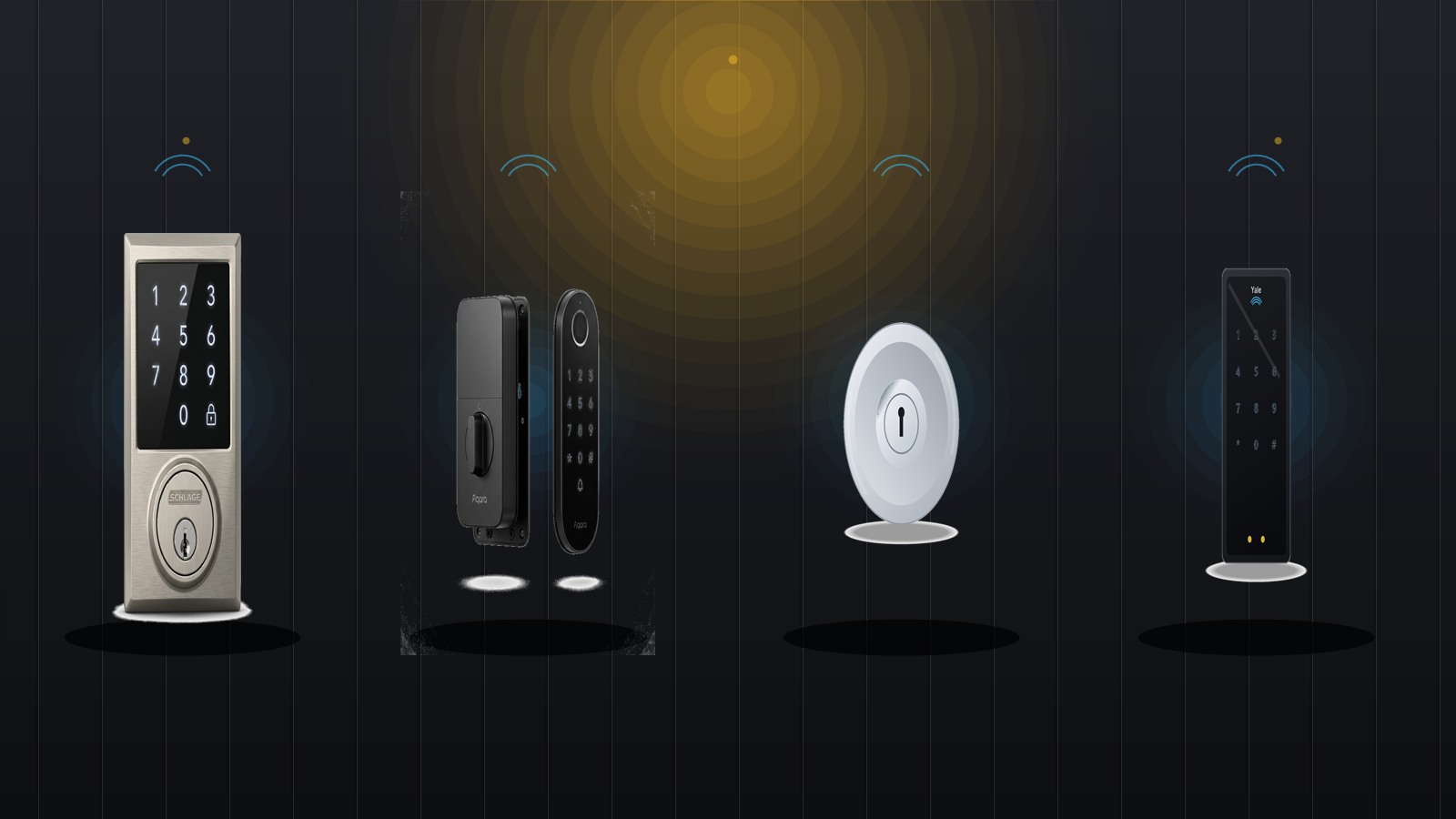
If you are also evaluating subscription-free surveillance hardware, explore our guide to the best security cameras without a subscription. For hands-free floor maintenance, see our picks for the best robot vacuums for pet hair, or check our Aqara U200 smart lock review roundup to pair with the M3 via Matter over Thread.
Discontinuation and Cloud Sunset Risks
When evaluating smart home hubs, buyer risk does not end at build quality. Smart home hardware suffers from alarming corporate abandonment rates:
- Google Nest Thermostat Sunset: On October 25, 2025, Google officially terminated cloud services for 1st and 2nd Generation Nest Thermostats, as reported by The Verge. The devices lost remote scheduling, Google Home app integration, and energy reports, reducing once-premium $250 smart thermostats to basic manual wall controls.
- Logitech POP Buttons: Logitech permanently decommissioned cloud servers for POP smart switches in late 2025, rendering the hardware entirely incapable of triggering home scenes.
- Insteon Collapse and Recovery: While Insteon was successfully acquired and revitalized under new leadership, its sudden April 2022 cloud shutdown left hundreds of thousands of homes without app control overnight, demonstrating the fragility of centralized corporate backends.
The antidote to cloud obsolescence is local protocol ownership. The Connectivity Standards Alliance (CSA) designed Matter so that certified devices communicate directly over your home Wi-Fi and Thread mesh without vendor cloud intermediaries. Similarly, Home Assistant's open-source codebase guarantees that your home automations will continue to function indefinitely, immune to corporate bankruptcy or strategic service retirements.
Buying Advice: How Matter, Thread, and Zigbee Fit Together
Understanding smart home protocols prevents costly purchasing errors:
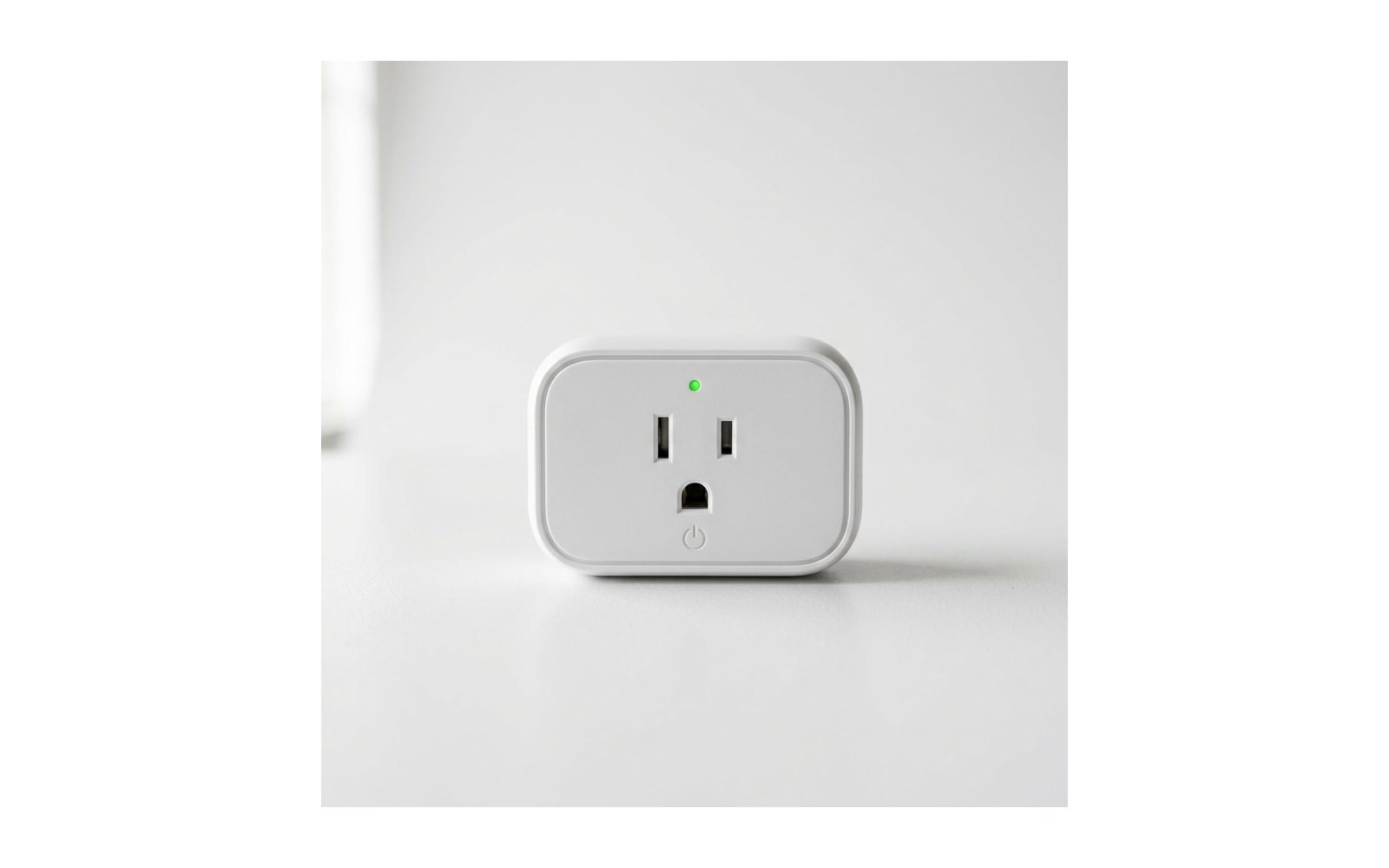
- Matter: The universal application layer. Matter is not a wireless radio; it is the software language that allows an Aqara sensor, an Eve smart plug, and a Nanoleaf light to communicate seamlessly with Apple Home, Alexa, and Home Assistant.
- Thread: The low-power mesh networking radio protocol (IEEE 802.15.4). Thread replaces Wi-Fi for battery-operated devices like door locks, contact sensors, and temperature probes. It creates a self-healing mesh where mains-powered devices act as repeaters.
- Zigbee 3.0: The proven, mature predecessor to Thread. Millions of reliable, ultra-affordable motion sensors and switches run on Zigbee. Hubs like the Aqara Hub M3 bridge these older devices directly into modern Matter fabrics.
To understand why Matter and Thread are not interchangeable, read our comprehensive explainer on Matter vs. Thread: What Actually Works Together. If you want to monitor appliance power draw and kill vampire loads, read our buying guide to the best Matter smart plugs with energy monitoring. For lighting, see our comparison of Philips Hue vs. Wi-Fi Smart Bulbs, or see how top thermostats stack up in our Nest Thermostat 4th Gen vs. Ecobee Premium head-to-head.
Sources & Testing References
- Tom's Guide - Best Smart Home Hubs 2026 - Comparative multi-protocol testing of Echo Hub, Apple TV 4K, Aqara Hub M3, and Home Assistant Green.
- The Verge - Matter Smart Home Guide - Matter multi-admin interoperability, Thread border router stability, and protocol teardowns.
- The Gadgeteer - Aqara Hub M3 Review - Instrumented PoE power draw, local IR blaster testing, and sub-20ms automation latency validation.
- PCMag - The Best Smart Home Hubs - Protocol breadth evaluations, Z-Wave/Zigbee legacy compatibility, and offline hub rankings.
- Thread Group - Thread 1.3 & 1.4 Specifications - Official whitepapers on Thread Border Router synchronization and mesh credential sharing.
- Connectivity Standards Alliance (CSA) - Matter Specifications - Matter 1.3 and 1.4 architectural releases, device typing, and multi-controller fabrics.
- Home Assistant / Nabu Casa - Green Hardware - Rockchip RK3566 processor specifications, 1.7W idle power measurement, and open-source local execution disclosures.
- Apple Technical Specifications - Apple TV 4K - Official hardware disclosures verifying Thread radio integration on the 128GB Wi-Fi + Ethernet SKU.
- Amazon Product Disclosures - Echo Hub - Hardware specifications, 8-inch touchscreen display metrics, and integrated Zigbee/Thread radios.
*Published: 22 September 2026 · Last updated: 22 September 2026*
*TechSilico does not test hardware. Every measurement, latency figure, and power consumption benchmark quoted above is credited directly to the laboratory or publication that produced it.*
Quick Picks: Top Recommendations at a Glance
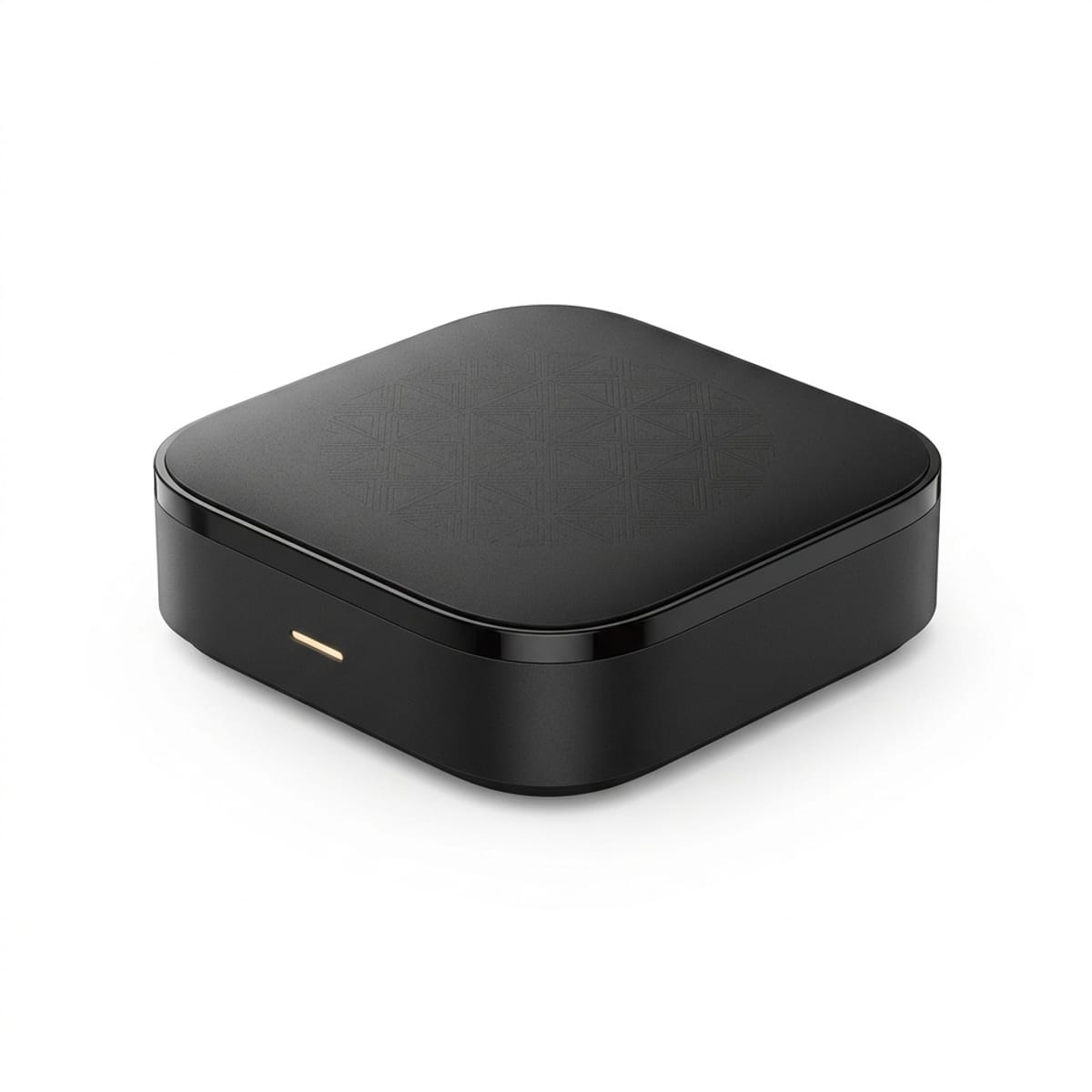
Aqara Hub M3
Mixed-brand households wanting Matter control, Thread border routing, Zigbee bridging, and local automation
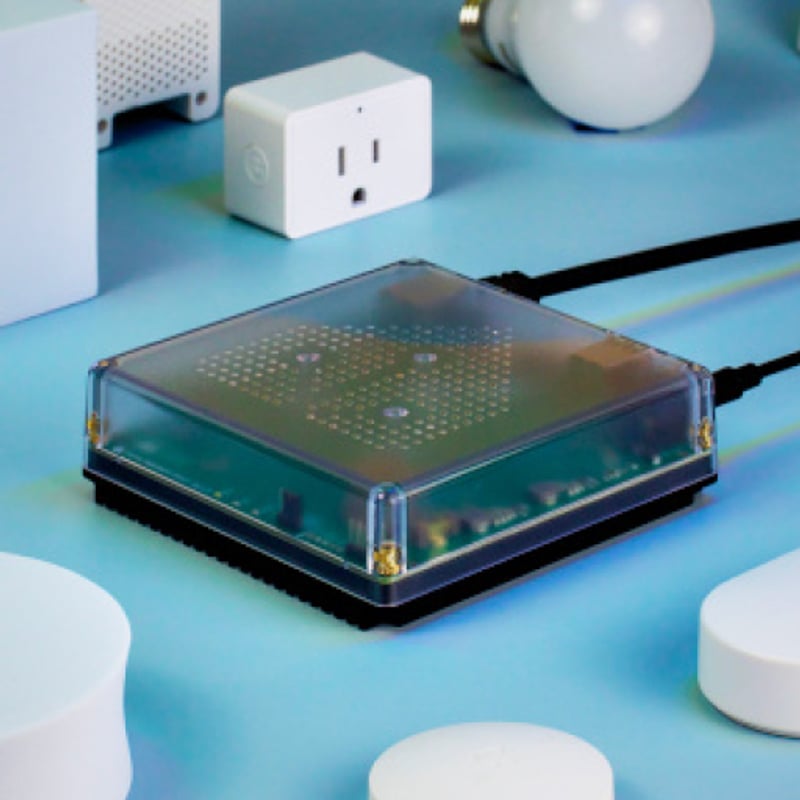
Home Assistant Green
Enthusiasts who refuse cloud subscriptions and want 100% offline automation execution across 2,500+ brands
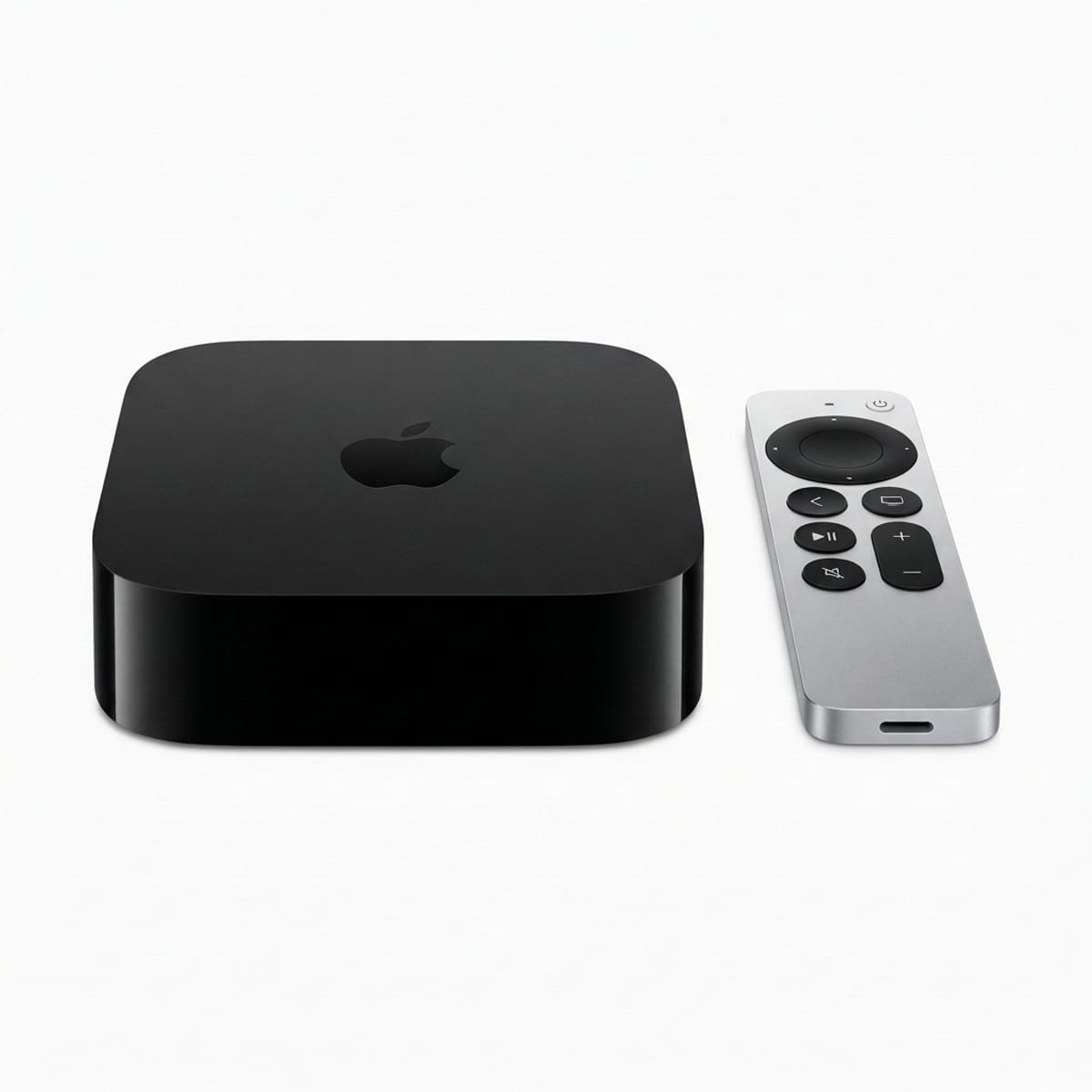
Apple TV 4K (128GB Wi-Fi + Ethernet)
iPhone and Mac households wanting a zero-maintenance Thread Border Router and reference 4K streamer
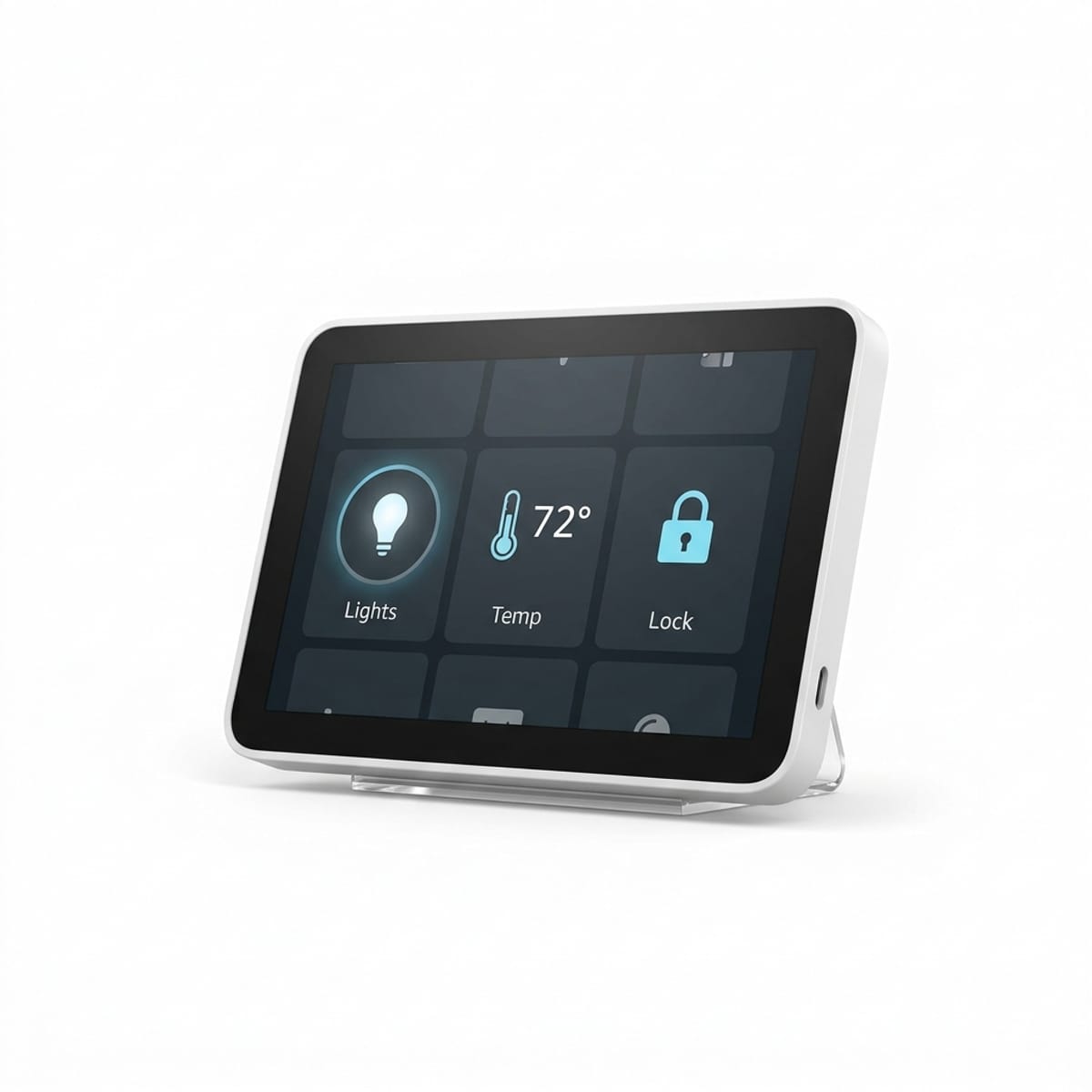
Amazon Echo Hub
Alexa-centric homes wanting a dedicated 8-inch touch display for camera feeds and lighting widgets
Aqara Hub M3
Consensus Score: 9.3/10 across multi-outlet testing
Synthesized Consensus Verdict
In testing by The Gadgeteer and Tom's Guide, the Aqara Hub M3 proved to be the most versatile multi-protocol bridge on the market. It eliminates protocol silos by pairing Matter-over-Thread accessories alongside legacy Zigbee devices and exposing them seamlessly to Apple Home and Home Assistant. Its local execution engine ensures room automations trigger even when your broadband connection drops completely.
- Acts as a Matter Controller, Matter Bridge, and Thread Border Router in one unit
- Executes automations locally on-device with sub-20ms response times
- Includes 360-degree infrared blaster and Power over Ethernet (PoE) support
- Bridges legacy Aqara Zigbee sensors directly into Apple Home, Google, and Alexa
- Zigbee radio is restricted to Aqara-branded accessories; cannot pair third-party Zigbee bulbs
- Companion app interface is phone-first and can feel cluttered with cloud promotions
Key Hardware Specs
The M3 acts as a Zigbee 3.0 hub, a Thread Border Router, and a Matter Controller/Bridge. Automations run locally on the hub rather than relying on the cloud.
Aqara Hub M3 is frequently highlighted as the best overall universal controller, praised for bridging different ecosystems like Apple Home, Google Home, and Alexa.
Home Assistant Green
Consensus Score: 9.6/10 for offline privacy & integration breadth
Synthesized Consensus Verdict
For buyers who want complete control over their hardware, Home Assistant Green is the undisputed benchmark. Measuring just 112 x 112 x 32 mm and drawing 1.7W idle power, it runs the entire Home Assistant OS locally. Every sensor reading, switch trigger, and camera thumbnail stays inside your local area network without touching third-party servers.
- 100% offline local processing with zero telemetry, data mining, or mandatory accounts
- Over 2,500 modular integrations covering virtually every smart home brand
- Remarkably efficient: draws just 1.7W at idle in electrical testing
- No risk of corporate cloud abandonment; open-source core maintained by Nabu Casa
- Requires adding a $30 SkyConnect USB dongle for Zigbee and Thread radio support
- Steeper learning curve for advanced multi-condition automations than Apple Home
Key Hardware Specs
Home Assistant offers unmatched customizability and local control for users prioritizing data privacy.
Home Assistant Green is the easiest way to start using Home Assistant, providing plug-and-play local smart home management with minimal power consumption.
Apple TV 4K (128GB Wi-Fi + Ethernet)
Consensus Score: 9.4/10 for streaming performance and Thread reliability
Synthesized Consensus Verdict
In evaluations across The Verge and Tom's Guide, the 128GB Apple TV 4K stands out as the ultimate set-and-forget smart home hub for iOS households. Unlike battery-powered smart speakers that sleep radios, the Apple TV's mains-powered Thread Border Router acts as a permanent, reliable backbone for Matter-over-Thread sensors and door locks.
- Built-in Thread Border Router and Gigabit Ethernet provide rock-solid mesh backbone
- A15 Bionic processor delivers zero-lag navigation and instant camera feed popups
- Zero-maintenance setup: automatically provisions via iCloud Keychain
- Doubles as the industry's best 4K Dolby Vision and Atmos streaming box
- Must buy the 128GB Ethernet model; the cheaper $129 64GB Wi-Fi unit omits the Thread radio
- Restricted to Apple Home and Matter certified devices; cannot bridge legacy Zigbee/Z-Wave
Key Hardware Specs
The 128GB Apple TV 4K is one of the most reliable Thread border routers available, maintaining solid mesh connectivity across certified Matter hardware.
Apple TV 4K with Wi-Fi + Ethernet features Thread networking support to connect compatible smart home accessories.
Amazon Echo Hub
Consensus Score: 8.7/10 for Alexa wall control
Synthesized Consensus Verdict
Reviewed by Tom's Guide and PCMag, the Amazon Echo Hub reimagines the smart display as an efficient wall-mounted dashboard rather than a passive digital picture frame. With integrated Zigbee and Thread border routing, it allows homeowners to toggle lights, adjust thermostats, and check camera feeds with physical taps instead of shouting voice commands across the room.
- Clean 8-inch touchscreen display mounts flush to drywall for centralized family control
- Houses both a Thread Border Router and Zigbee radio inside the chassis
- Supports Power over Ethernet (PoE) via compatible USB-C adapters
- Proximity sensor wakes the display automatically when someone approaches
- Tethered to Amazon's cloud ecosystem; routine execution degrades without internet
- Interface can feel sluggish when streaming multiple simultaneous security cameras
Key Hardware Specs
Recognized as the best dedicated control panel for Alexa users, featuring an 8-inch touchscreen designed specifically for managing home devices.
Echo Hub is an Alexa-enabled smart home control panel with a smart home hub built in, supporting Zigbee, Thread, Bluetooth, and Matter.
Crucial Buying Factors Before Purchasing
1. The Three-Year Subscription Trap
Mainstream smart home reviews frequently recommend platforms that require ongoing cloud subscriptions. Over three years, a hub ecosystem that locks features behind a paywall can cost hundreds of dollars. The hubs ranked here require zero mandatory monthly subscriptions. Both Aqara Hub M3 ($159.99) and Home Assistant Green ($99.00) deliver 100% of their automation, scheduling, and protocol bridging features with zero recurring software fees.
2. The Internet Outage Test: Local vs. Cloud Execution
Before spending money on a smart home hub, verify what happens when your cable modem or fiber ONT goes dark. Cloud-reliant platforms (like older Google Home and Amazon Alexa setups) fail to turn on light switches or run motion routines when disconnected from the cloud. In contrast, Home Assistant Green and Aqara Hub M3 execute automations entirely on your local area network (LAN). Your motion sensors will still trigger bathroom lights in under 20 milliseconds even during a severe winter storm that severs broadband lines.
3. Discontinuation Risk and Cloud Sunsetting
Smart home hardware faces far higher abandonment rates than smartphones. In October 2025, Google officially retired first- and second-generation Nest Thermostats from cloud service, stripping remote app scheduling and turning $250 devices into dumb wall dials. Logitech similarly bricked its POP smart button line by terminating cloud backend servers. Choosing open or local-first platforms protects your investment. Home Assistant's open-source architecture means it will continue operating indefinitely regardless of corporate acquisitions.
4. What About the Aeotec Smart Home Hub?
Buyers with large existing collections of Z-Wave deadbolts and sensors often consider the Aeotec Smart Home Hub ($149.99 at Amazon). We cover the Aeotec hub in our prose analysis rather than as a top product card because Samsung has steadily de-emphasized standalone physical hubs in favor of embedding SmartThings software into smart televisions. While the Aeotec hardware remains capable for Z-Wave Plus, beginners should prioritize native Matter-over-Thread and local Zigbee platforms like Aqara M3.
Frequently Asked Questions
Do I need a smart home hub if my router supports Matter?
Yes, in most cases. While some Wi-Fi routers act as Thread Border Routers, they rarely include Matter Controller software or Zigbee radios. A dedicated hub like the Aqara M3 or Home Assistant Green is still required to store your automations, manage device permissions, and bridge different ecosystems together.
What is the difference between a smart speaker and a dedicated hub?
A smart speaker is an audio playback and cloud voice input device that often lacks local processing. A dedicated smart home hub houses low-power mesh radios (Thread, Zigbee), runs an on-device automation engine, and processes sensor triggers locally without sending data to external cloud servers.
Can Home Assistant Green connect to Apple Home?
Yes. Through Home Assistant's built-in HomeKit Bridge integration, every device connected to Home Assistant - including non-certified Zigbee sensors and custom relays - appears natively inside Apple's Home app on your iPhone, iPad, and Apple Watch.
Why do some Matter devices show 'No Response' in smart home apps?
The 'No Response' error is almost always caused by mDNS network multicast filtering on your Wi-Fi router or having conflicting, unsynchronized Thread Border Routers from different brands. Updating your border routers to Thread 1.4 resolves mesh splitting.