Pixel 9 Pro: Common Issues, Bugs & Review Roundup
Analyze Google Pixel 9 Pro lab benchmarks, owner complaints, ultrasonic fingerprint bugs with glass protectors, Tensor G4 thermals, and reviewer verdicts.
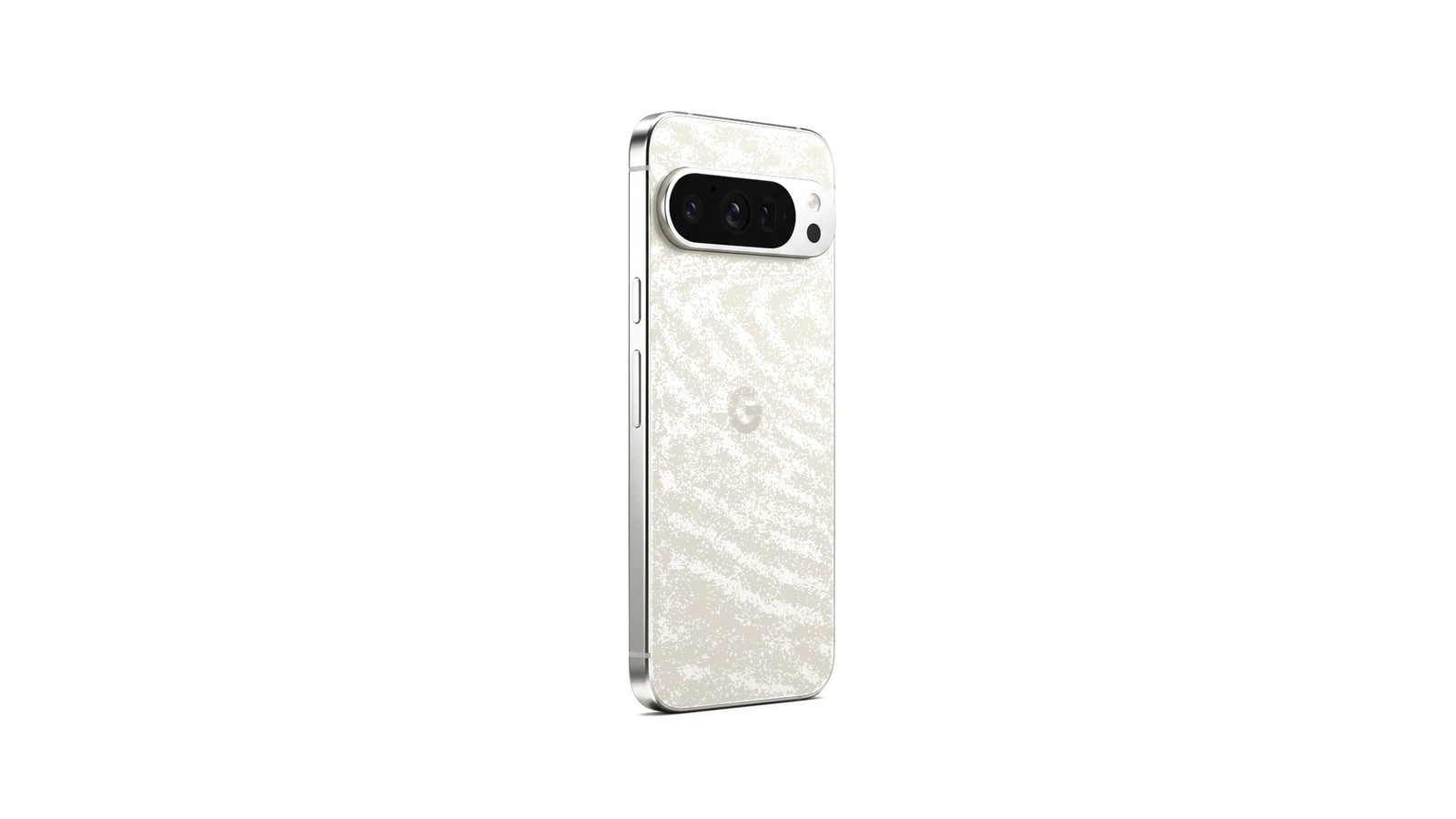
Google Pixel 9 Pro
Rated 4.5/5 by major tech reviewers as the premier compact Android flagship, balanced against known charging, gaming, and thermal trade-offs
Verified Hardware Specifications
- •True compact flagship footprint packed with the exact same periscope zoom and 16GB RAM as the larger Pro XL
- •Class-leading Super Actua display hitting a searing 2,331 nits of measured outdoor brightness under direct sunlight
- •Top-tier mobile photography suite scoring 158 in camera laboratory evaluations with superb skin tone rendering
- •Upgraded ultrasonic fingerprint sensor provides instantaneous, blinding-light-free unlocks with bare fingers
- •Unmatched 7-year software commitment with direct-from-Google security patches and regular Feature Drop updates
- •Ultrasonic fingerprint sensor struggles with uncertified thick tempered glass screen protectors without calibration
- •Wired charging capped at 27W, requiring 85 minutes for a full 0-100% recharge while competitors charge in 30 minutes
- •Tensor G4 Mali-G715 GPU throttles significantly under sustained 3D gaming compared to Snapdragon 8 Gen 3 and A18 Pro
- •Advanced Video Boost and Zoom Enhance features require cloud server processing, delaying final file availability
- •Chassis becomes noticeably warm when fast-charging while simultaneously navigating via GPS in warm vehicles
*TechSilico does not test hardware.* This review roundup consolidates published laboratory measurements, battery discharge tests, and colorimeter analysis from independent testing publications including GSMArena, DXOMARK, Tom's Guide, and Notebookcheck, alongside verified owner complaints collected from Reddit and Android communities.
For years, Android enthusiasts faced an annoying dilemma: if you wanted top-of-the-line periscope telephoto cameras, maximum RAM, and the brightest display, manufacturers forced you to buy an enormous, unwieldy phone. With the Google Pixel 9 Pro ($999 MSRP), Google finally resolved that compromise, cramming its entire flagship camera array and 16GB of RAM into a pocketable 6.3-inch form factor.
While tech reviewers universally laud its design and camera excellence, long-term owner feedback highlights specific quirks in charging speed, ultrasonic fingerprint compatibility, and graphics throttling. If you are shopping across the flagship landscape, explore our head-to-head Pixel 9 Pro vs iPhone 16 Pro comparison or our Galaxy S25 Ultra vs iPhone 16 Pro Max face-off. Below is what lab tests and real-world owners have revealed.
The Verdict in 60 Words
The Google Pixel 9 Pro is the finest compact Android smartphone available, pairing a 2,331-nit Super Actua display with 5x optical periscope zoom and 7 years of software updates. However, slow 27W wired charging (taking 85 minutes to full), ultrasonic fingerprint calibration issues with thick tempered glass, and Tensor G4 graphics throttling remain real trade-offs for power users.
Technical Specifications & Ratings
| Feature | Specification |
|---|---|
| Price | $999.00 MSRP (128GB base) |
| Display | 6.3-inch Super Actua LTPO OLED (1-120Hz, 1280 x 2856 at 495 ppi) |
| Measured Peak Brightness | 2,331 nits outdoor measured (Up to 3,000 nits rated) |
| Processor Silicon | Google Tensor G4 (4nm) with Titan M2 security coprocessor |
| System Memory | 16GB LPDDR5X RAM |
| Rear Camera System | 50MP main (f/1.68) + 48MP ultrawide (f/1.7) + 48MP 5x telephoto (f/2.8) |
| Front Camera | 42MP autofocus selfie camera (f/2.2) |
| Battery Life & Capacity | 4,700 mAh (13:11 hours Active Use endurance) |
| Wired Charging Speed | 27W wired power (55% in 30 minutes; 85 minutes to full 100%) |
| Wireless Charging | Up to 21W with Pixel Stand / 12W with standard Qi chargers |
| Biometric Security | Qualcomm 3D Sonic Gen 2 ultrasonic sensor + Class 3 Face Unlock |
| Durability & Software | IP68 water resistance, Gorilla Glass Victus 2, 7 years OS updates |
Display & Camera Brilliance: 2,331 Nits & 5x Zoom
In laboratory testing, the Pixel 9 Pro excels in two critical areas: visual legibility and camera versatility.
Searing Outdoor Screen Brightness
In Tom's Guide instrumented testing under bright outdoor daylight, the 6.3-inch Super Actua panel achieved a measured peak luminance of 2,331 nits. This easily outshines the iPhone 16 Pro (which measured 1,510 nits under identical test protocols), rendering maps and text legible even under direct midday sun without squinting.
Complete Periscope Telephoto Array
Unlike Apple, which historically relegated tetraprism 5x zoom to its Max model, Google equipped both the 6.3-inch Pixel 9 Pro and the 6.8-inch Pro XL with the identical 48MP 5x optical telephoto lens. In DXOMARK evaluations, the camera system earned an outstanding score of 158, ranking among the top three mobile cameras globally for accurate skin tone reproduction, wide dynamic range, and exceptional telephoto sharpness out to 30x Super Res Zoom.
Ultrasonic Fingerprint Sensor: Screen Protector Quirks
The most frequent complaint on r/GooglePixel centers on the new biometric hardware: inconsistent fingerprint recognition after applying tempered glass screen protectors.
What Owners Report on Reddit
Google finally retired the sluggish optical fingerprint scanner of previous generations, replacing it with a high-speed Qualcomm ultrasonic sensor. While bare-finger unlocking is lightning fast and does not blast blinding white light at night, owners report that applying third-party tempered glass protectors causes registration failures or requires pressing down with excessive force.
The Technical Explanation
Unlike optical scanners that take a 2D photograph of your skin, ultrasonic scanners emit high-frequency acoustic waves to map the microscopic 3D valleys and ridges of your fingerprint. Thick tempered glass sheets or uneven adhesive layers create acoustic impedance, scattering the soundwaves before they reach the sensor.
How to Fix It
- Enable Screen Protector Mode: Navigate to *Settings > Display > Touch Sensitivity* and toggle on *Screen Protector Mode*.
- Re-Register Fingerprints After Installation: Delete all saved fingerprint profiles and scan your thumbs *after* the glass protector is firmly adhered.
- Use Certified Glass: Opt for screen protectors certified under the "Made for Google" program (such as Spigen or Caseology), which use thinner glass and uniform acoustic adhesive.
27W Charging & Tensor G4 Gaming Throttling
While the Pixel 9 Pro handles everyday app navigation effortlessly, two hardware limitations frustrate heavy users:
1. Slow 27W Charging Curve
While competing flagships from OnePlus, Xiaomi, and Samsung offer 45W to 100W charging, the smaller Pixel 9 Pro remains capped at 27W wired power (the larger Pro XL supports 37W).
In GSMArena laboratory testing, the phone reached 32% in 15 minutes, 55% in 30 minutes, and required 1 hour and 25 minutes (85 minutes) for a full 0-100% recharge. If you fast-charge the phone while running GPS navigation in a warm vehicle, thermal sensors throttle charging speed down to prevent heat buildup, extending recharge times even further.
2. Tensor G4 3D Gaming Throttling
The Tensor G4 processor is engineered for thermal stability, app launching efficiency, and on-device Gemini Nano AI inference rather than peak graphics rendering. In Notebookcheck stress testing of the Mali-G715 GPU, frame rates dropped substantially after 15 to 20 minutes of continuous load in demanding 3D titles like Genshin Impact. While casual games run smoothly, competitive mobile gamers will find superior sustained framerates on devices powered by the Snapdragon 8 Gen 3, Snapdragon 8 Elite, or Apple A18 Pro.
3. Video Boost Cloud Queue Latency
Features like 8K video upscaling and Video Boost Night Sight are processed on Google Cloud data centers rather than on-device silicon. Depending on video file length and Wi-Fi upload speed, receiving your final enhanced video in Google Photos can take anywhere from 15 minutes to over two hours.
Who Should Buy It (And Who Should Pass)
Buy the Google Pixel 9 Pro if:
- You demand a compact flagship: You want true pocketability without sacrificing 5x telephoto zoom, 16GB RAM, or display quality.
- You spend time outdoors: The 2,331-nit Super Actua display is one of the brightest and most legible screens on the market.
- You value clean software and long-term support: 7 years of direct Android OS updates and security patches ensure the phone stays fresh through 2031.
- You prefer natural, true-to-life photography: Google's color science and skin tone accuracy remain unmatched for everyday family and travel photos.
Pass on the Google Pixel 9 Pro if:
- You are a dedicated 3D mobile gamer: The Mali-G715 GPU throttles under heavy sustained graphical workloads.
- You want rapid 30-minute full charging: The 85-minute wired charging curve is slow compared to competitors.
- You need immediate local video export: Waiting for Google Cloud servers to process Video Boost clips interrupts fast turnaround workflows.
Frequently Asked Questions
Why does the Pixel 9 Pro fingerprint scanner fail with certain screen protectors?
The Pixel 9 Pro uses an ultrasonic sensor that maps fingerprints with acoustic soundwaves. Thick tempered glass or uneven adhesive layers create acoustic resistance that disrupts the signal. Turning on 'Screen Protector Mode' in settings and re-registering fingerprints with the protector on resolves the issue for most certified brands.
Does the Pixel 9 Pro overheat during daily use?
No. Thanks to an integrated vapor chamber and an upgraded Samsung Exynos 5400 modem, the Pixel 9 Pro runs significantly cooler than the Pixel 7 or 8 series during regular browsing and media streaming. It only becomes noticeably warm during sustained 4K 60fps video recording or heavy gaming sessions.
How long does the Pixel 9 Pro take to charge completely?
In standardized lab testing, the Pixel 9 Pro requires approximately 85 minutes for a full 0-100% recharge using a 30W USB Power Delivery PPS charger. It reaches roughly 32% in 15 minutes and 55% in 30 minutes.
Is the Tensor G4 fast enough for heavy 3D mobile gaming?
The Tensor G4 is fast and responsive for everyday apps, multitasking, and casual gaming. However, its Mali-G715 GPU throttles under sustained load in graphics-heavy titles like Genshin Impact, making Qualcomm Snapdragon 8 Gen 3 or Apple A18 Pro devices better choices for hardcore mobile gamers.
Why does Video Boost take so long to process on the Pixel 9 Pro?
Video Boost offloads raw footage to Google Cloud data centers, where server-grade neural networks process Night Sight and 8K upscaling. Depending on file size and internet connection speed, processing usually takes between 15 minutes and two hours before the finalized video appears in Google Photos.
Sources & Reference Research
- GSMArena - Google Pixel 9 Pro Review: Detailed battery life testing (13:11 Active Use Score), 27W charging speed curves, and compact hardware analysis.
- DXOMARK - Google Pixel 9 Pro Camera Evaluation: Laboratory camera testing scores (158 overall rating), color accuracy, autofocus tracking, and telephoto quality.
- Tom's Guide - Google Pixel 9 Pro Review: Colorimeter display testing measuring 2,331 nits outdoor brightness and real-world battery runtime evaluations.
- Notebookcheck - Google Pixel 9 Pro Smartphone Review: Tensor G4 thermal dissipation benchmarks, sustained 3D GPU stress tests, and power efficiency analysis.
- Google Store Technical Specifications - Pixel 9 Pro: Manufacturer technical specifications, 4,700 mAh battery capacity, IP68 rating, and 7-year software policy.
Synthesized Lab Benchmarks & Accreditations
Every metric above is cross-examined against primary technical documentation and independent acoustic/silicon testing facilities:
The Pixel 9 Pro is a true compact flagship that compromises almost nothing compared to the XL
Outstanding photo and video quality in all conditions, ranking among the world's best smartphone cameras
The Pixel 9 Pro delivers the best combination of compact size, AI smarts and camera excellence
Tensor G4 prioritizes efficiency and everyday responsiveness over peak benchmark records
6.3-inch Super Actua display with 1-120Hz LTPO and up to 3,000 nits peak brightness
The Best Compact Android Flagship on the Market, With Known Charging and Gaming Limits
The Google Pixel 9 Pro is a triumph of industrial design, offering Android enthusiasts a compact 6.3-inch handset without sacrificing telephoto zoom, RAM, or display quality. Independent lab evaluations praise its 2,331-nit screen and camera system. However, slow 27W wired charging curves, tempered glass protector fingerprint calibration quirks, and Tensor G4 GPU throttling during intensive 3D gaming remain key compromises buyers must accept.
- Android users wanting a truly compact 6.3-inch smartphone that sacrifices zero camera or display specs
- Mobile photographers and travelers who prioritize natural color rendering and a 5x optical telephoto lens
- Buyers seeking long-term longevity who value clean software and guaranteed 7-year operating system support
- Users frustrated by optical fingerprint flash who want fast ultrasonic biometric unlocking
- Hardcore mobile gamers playing demanding 3D titles like Genshin Impact or Warzone Mobile at maximum graphics
- Power users demanding ultra-fast 15-minute wired charging speeds before rushing out the door
- Videographers who require instant on-device processing without waiting for cloud Video Boost queues
- Buyers planning to apply cheap, thick tempered glass screen protectors without re-registering fingerprints
Frequently Asked Questions
Why does the Pixel 9 Pro fingerprint scanner fail with certain screen protectors?
The Pixel 9 Pro upgraded from an optical sensor to a Qualcomm ultrasonic sensor. Ultrasonic technology maps skin ridges using high-frequency acoustic soundwaves rather than light. Thick or non-certified tempered glass protectors with uneven adhesive create microscopic air gaps that disrupt the acoustic pulse. Owners can resolve this by enabling 'Screen Protector Mode' in Display settings, re-registering fingerprints after applying the glass, or using 'Made for Google' certified screen protectors like Spigen or Caseology.
Does the Pixel 9 Pro overheat during daily use?
No. Unlike older Pixel 6 and 7 models, the Pixel 9 Pro incorporates a dedicated vapor chamber and an upgraded Samsung Exynos 5400 modem that dramatically reduces daily thermal buildup. However, during continuous 4K 60fps video recording in hot direct sunlight or while fast-charging during GPS navigation, the aluminum frame still becomes warm to the touch, and charging speed throttles automatically to safeguard battery health.
How long does the Pixel 9 Pro take to charge completely?
In standardized charging testing by GSMArena, the Pixel 9 Pro reaches 32% in 15 minutes, 55% in 30 minutes, and requires approximately 85 minutes for a full 0-100% recharge using a 30W or higher USB Power Delivery PPS charger. While the larger Pixel 9 Pro XL charges at up to 37W, the smaller Pro is limited to 27W wired power.
Is the Tensor G4 fast enough for heavy 3D mobile gaming?
For general productivity, multitasking, and casual games, the Tensor G4 with 16GB of RAM is smooth and instant. However, in heavy 3D titles like Genshin Impact, the Mali-G715 GPU throttles frame rates after 15 to 20 minutes to prevent overheating. Gamers seeking sustained 60 to 120fps gameplay will find superior GPU performance in Snapdragon 8 Gen 3, Snapdragon 8 Elite, or Apple A18 Pro devices.
Why does Video Boost take so long to process on the Pixel 9 Pro?
Video Boost features - such as 8K upscaling and Night Sight Video - are not rendered entirely on the phone. Because these complex computational models require immense GPU compute, the phone uploads raw video files to Google Cloud data centers, where server-grade neural networks process each frame before syncing the enhanced video back to your Google Photos library. Depending on file size and internet upload speed, processing can take anywhere from 15 minutes to several hours.