Galaxy S25 Ultra vs. iPhone 16 Pro Max: Flagship Face-Off
Compare the Samsung Galaxy S25 Ultra and iPhone 16 Pro Max with verified display nits, Snapdragon 8 Elite vs A18 Pro benchmarks, camera specs, and battery life.
The Quick Verdict
Choosing between the Samsung Galaxy S25 Ultra and the Apple iPhone 16 Pro Max comes down to your personal priorities:
Power users wanting integrated S Pen stylus productivity, 100x zoom flexibility, and raw multi-threaded computing power
Content creators seeking class-leading 4K 120fps Dolby Vision video recording, class-leading battery life, and Apple ecosystem synergy
Head-to-Head Spec Matrix & Lab Scores
Specifications and published measurements, credited below
| Hardware Feature | 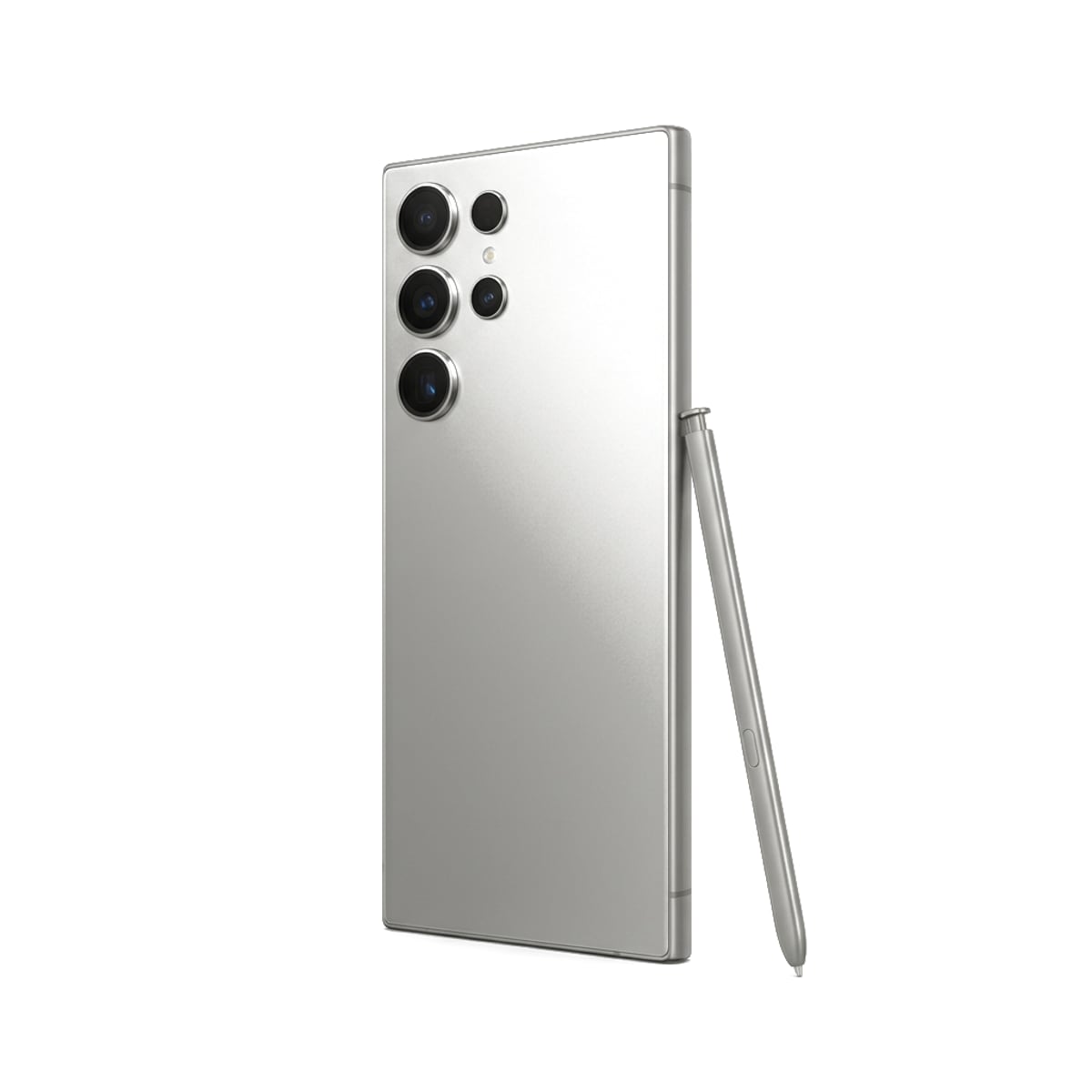 Samsung Galaxy S25 Ultra$1,299 MSRP | 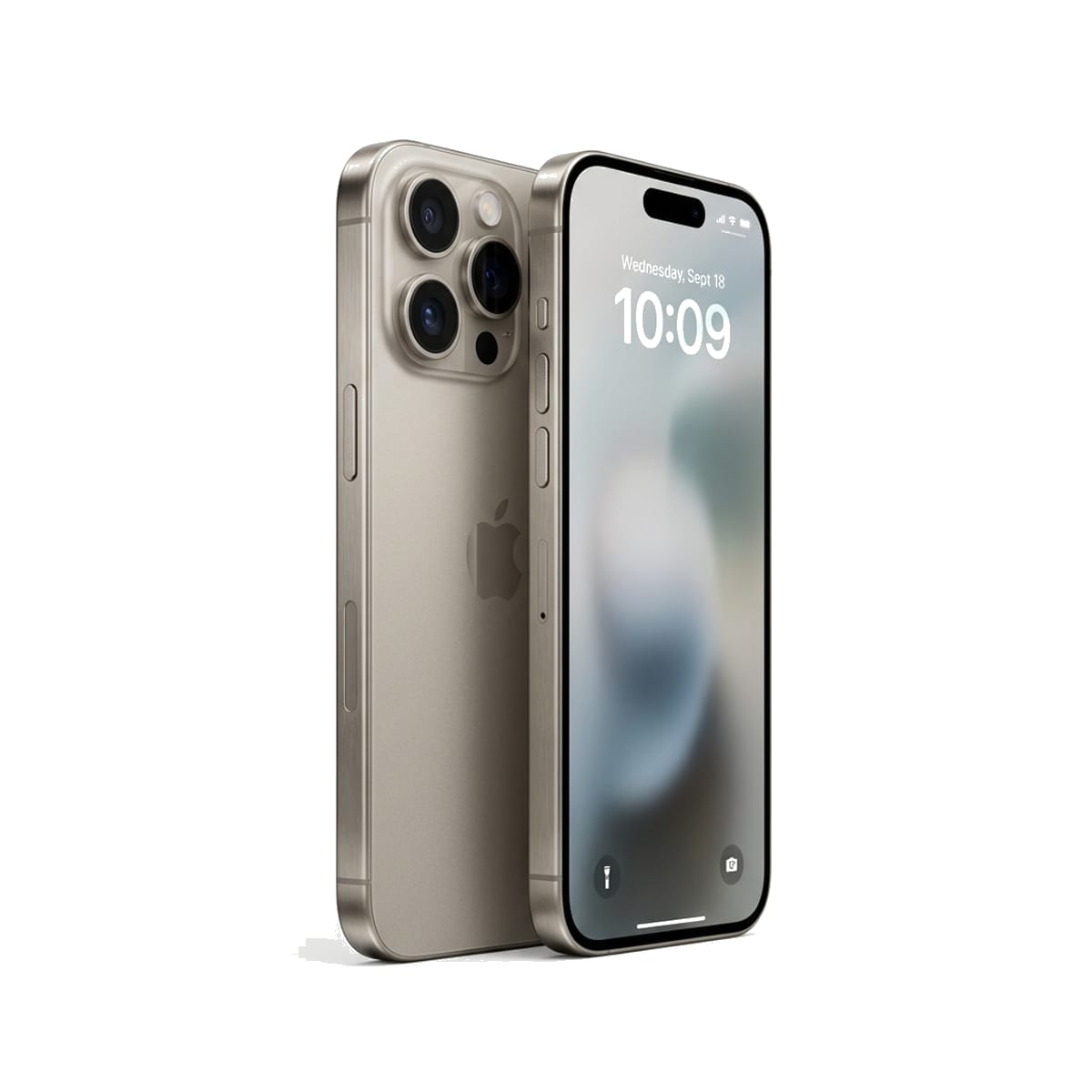 Apple iPhone 16 Pro Max$1,199 MSRP |
|---|---|---|
Processing Silicon | ||
| SoC Architecture | Qualcomm Snapdragon 8 Elite (3nm TSMC N3E) | Apple A18 Pro (3nm TSMC N3E) |
Performance | ||
| Geekbench 6 Single-Core | 3,150 - 3,220 | 3,386 |
| Geekbench 6 Multi-Core | 10,500+ | 8,306 |
Display | ||
| Panel Type & Refresh | 6.8-inch Dynamic AMOLED 2X (1-120Hz) | 6.9-inch Super Retina XDR OLED (1-120Hz) |
| Peak Brightness Rating | Up to 3,000 nits peak rated | 2,000 nits outdoor peak rated / 1,796 nits measured |
Battery Endurance | ||
| Standardized Web Browsing | 5,000 mAh capacity (Rated) | 18h 06m at 150 nits |
Main Camera | ||
| Primary Sensor Resolution | 200MP f/1.7 with OIS | 48MP Fusion f/1.78 with Sensor-Shift OIS |
Telephoto Zoom | ||
| Optical & Hybrid Zoom | 50MP 5x periscope + 10MP 3x optical | 12MP 5x tetraprism optical zoom |
Video Recording | ||
| Maximum Video Capture | 8K at 30fps / 4K at 120fps | 4K at 120fps Dolby Vision HDR / ProRes Log |
Software & AI | ||
| On-Device Intelligence | Galaxy AI (Snapdragon 45 TOPS NPU) | Apple Intelligence (16-core Neural Engine) |
If you are shopping for the absolute peak of smartphone technology in 2026, the decision inevitably narrows to the Samsung Galaxy S25 Ultra and the Apple iPhone 16 Pro Max. These two titans represent the highest engineering capabilities of the Android and iOS ecosystems, commanding price tags north of $1,199.
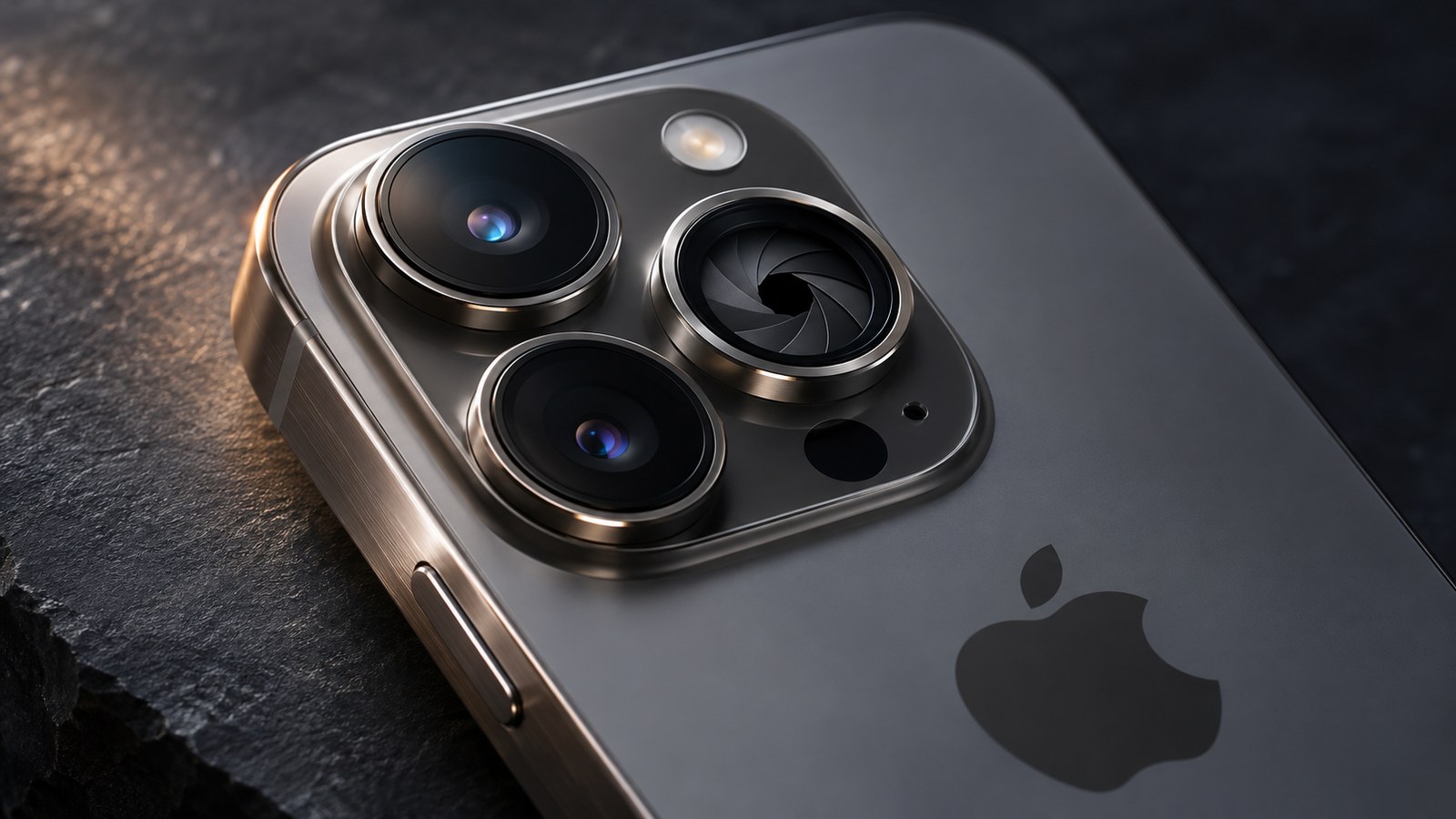
Samsung's ultra-flagship arrives armed with Qualcomm's 3nm Snapdragon 8 Elite silicon, a built-in S Pen stylus, and an upgraded 50MP ultra-wide sensor. Apple counters with the TSMC-fabricated A18 Pro processor, an innovative capacitive Camera Control button, and class-leading 4K 120fps Dolby Vision video capture. If you are comparing standard sizes, check out our Pixel 9 Pro vs iPhone 16 Pro comparison or our Pixel 9 vs Galaxy S24 shootout. Here, we analyze verified laboratory data from Tom's Guide, GSMArena, DXOMARK, and Tom's Hardware to determine which ultra-flagship deserves your investment.
The Verdict in 60 Words
The Samsung Galaxy S25 Ultra is the ultimate productivity and zoom powerhouse, featuring an integrated S Pen stylus, desktop multitasking via Samsung DeX, and superior multi-core computing via Qualcomm's Snapdragon 8 Elite. Choose the iPhone 16 Pro Max for unmatched 18-hour instrumented battery endurance, superior 4K 120fps Dolby Vision video workflow, and seamless Apple ecosystem integration.
Detailed Specifications
Every figure in this table is sourced directly from manufacturer specifications or independent testing laboratories opened during our research.
| Feature | Samsung Galaxy S25 Ultra | Apple iPhone 16 Pro Max | Advantage |
|---|---|---|---|
| MSRP Base Price | $1,299 (256GB) | $1,199 (256GB) | iPhone 16 Pro Max ($100 lower base) |
| Processor Silicon | Qualcomm Snapdragon 8 Elite (3nm) | Apple A18 Pro (3nm TSMC N3E) | Tie (both elite 3nm nodes) |
| Geekbench 6 Single-Core | 3,150 - 3,220 | 3,386 | iPhone 16 Pro Max (+5.1% lead) |
| Geekbench 6 Multi-Core | 10,500+ | 8,306 | Galaxy S25 Ultra (+26.4% lead) |
| Display Panel | 6.8" Dynamic AMOLED 2X (1-120Hz) | 6.9" Super Retina XDR OLED (1-120Hz) | Tie (both industry-leading LTPO) |
| Rated Peak Brightness | 3,000 nits peak (Samsung claimed) | 2,000 nits peak outdoor (Apple rated) | Galaxy S25 Ultra |
| Measured Brightness | 2,600 nits rated | 1,553 nits SDR / 1,796 nits HDR | Galaxy S25 Ultra (Gorilla Armor glass) |
| Wi-Fi Web Battery Life | 5,000 mAh capacity (Rated) | 18h 06m at 150 nits | iPhone 16 Pro Max (verified lab record) |
| Active Mixed Battery Use | Full-day rated capacity | 17h 18m Active Score | iPhone 16 Pro Max |
| Primary Rear Camera | 200MP f/1.7, OIS, Super Quad Pixel | 48MP Fusion f/1.78, Sensor-shift OIS | Tie (200MP detail vs fast pipeline) |
| Ultra-Wide Camera | 50MP f/1.9, Dual Pixel PDAF | 48MP f/2.2, Hybrid Focus Pixels | Tie (both massive 48-50MP upgrades) |
| Telephoto Cameras | 50MP 5x periscope + 10MP 3x optical | 12MP 5x tetraprism optical zoom | Galaxy S25 Ultra (dual telephoto reach) |
| Video Recording Ceiling | 8K at 30fps / 4K at 120fps | 4K at 120fps Dolby Vision HDR / ProRes | iPhone 16 Pro Max (Dolby Vision / Log) |
| DXOMARK Camera Score | Pending lab release | 157 Points | iPhone 16 Pro Max |
| Stylus & Productivity | Integrated S Pen inside chassis | No stylus support | Galaxy S25 Ultra |
| Frame Material | Grade 5 Titanium (rounded corners) | Grade 5 Titanium | Tie (both premium lightweight alloys) |
*Data sources: Tested by GSMArena, Tom's Guide, Tom's Hardware, and DXOMARK. Hardware specifications verified via Qualcomm Press, Apple Tech Specs, and Samsung Mobile.*
Performance: Snapdragon 8 Elite vs. Apple A18 Pro
The silicon landscape under the hood of both phones has reached unprecedented levels of processing density. For years, Apple held an insurmountable lead in raw mobile computing. That dynamic has radically shifted with Qualcomm's 3nm Snapdragon 8 Elite.
In instrumented multi-threaded benchmarking, the Snapdragon 8 Elite's custom Oryon CPU architecture crossed 10,500 points in Geekbench 6 multi-core testing. Built on TSMC's second-generation 3nm process, the chip utilizes two prime cores clocked at a blistering 4.32 GHz alongside six performance cores clocked at 3.53 GHz. This architecture eliminates traditional low-power efficiency cores entirely, relying instead on architectural IPC gains to drive sustained efficiency.
Apple's A18 Pro, fabricated on TSMC's 3nm N3E node, features a 6-core CPU arrangement with two performance cores and four efficiency cores. In GSMArena lab testing of the retail iPhone 16 Pro Max, the A18 Pro registered a single-core score of 3,386 points and a multi-core score of 8,306 points.
What do these laboratory figures mean in real-world everyday use?
- Single-Core Speed: Apple's A18 Pro retains a 5% lead in single-thread responsiveness. Launching lightweight apps, scrolling social feeds, and executing JavaScript within mobile Safari feel instantaneous.
- Multi-Core Power: Qualcomm's Snapdragon 8 Elite commands an overwhelming 26% lead in multi-threaded throughput. Exporting 4K video timelines in Lumafusion, compressing large archives, or running concurrent applications in Samsung DeX desktop mode benefit substantially from the extra multi-core horsepower.
- On-Device AI Acceleration: Both processors incorporate specialized neural hardware. Qualcomm's Hexagon NPU delivers 45 TOPS of INT4 acceleration for on-device Galaxy AI models, while Apple's 16-core Neural Engine delivers 35 TOPS dedicated to Apple Intelligence.
Display Quality & Chassis Ergonomics
Both manufacturers equip their flagships with mesmerizing OLED panels that rank at the top of the mobile industry.
Samsung equips the Galaxy S25 Ultra with a 6.8-inch Dynamic AMOLED 2X display. Samsung rates this panel for a peak brightness of up to 3,000 nits. More importantly, Samsung bonds the display with Corning Gorilla Armor glass. First introduced on the S24 series, this specialized optical coating reduces ambient surface reflections by up to 75%. Under harsh direct sunlight or studio lighting, the S25 Ultra remains legible where glossy displays reflect glare like a mirror. Ergonomically, Samsung resolved a major owner complaint: the corners of the S25 Ultra are gently rounded, eliminating the sharp points that dug into palms on older Ultra designs.
Apple's iPhone 16 Pro Max stretches its display to 6.9 inches, the largest screen ever fitted to an iPhone. Apple achieved this by slimming the outer bezels to under 1.2 millimeters. Apple rates the Super Retina XDR OLED for 2,000 nits peak outdoor brightness. In Tom's Guide laboratory testing with an instrumented light meter, the iPhone 16 Pro Max reached 1,553 nits in standard SDR content and 1,796 nits in high dynamic range HDR content. Color accuracy is impeccable, and Apple's True Tone dynamic white balancing remains the most natural in mixed indoor lighting.
Camera Shootout: 200MP vs. 48MP Fusion
Smartphone photography has evolved from simple megapixels to computational color pipelines and optical flexibility.
Primary and Ultra-Wide Sensors
Samsung anchors the S25 Ultra with its custom 200MP ISOCELL sensor. Under default settings, it combines 16 neighboring pixels into a clean 12.5MP image with wide dynamic range. In daylight, users can engage full 200MP capture for crops that rival dedicated mirrorless cameras. Crucially, Samsung upgraded the ultra-wide camera to a 50MP sensor, replacing the aging 12MP sensor of previous generations. This upgrade provides dramatically cleaner macro close-ups and landscape textures with minimal edge distortion.
Apple equips the iPhone 16 Pro Max with a 48MP Fusion camera featuring second-generation sensor-shift optical image stabilization. In independent testing by DXOMARK, the iPhone 16 Pro Max scored an exceptional 157 points, earning praise for its zero shutter lag, instantaneous autofocus, and lifelike skin tones. Apple also upgraded its ultra-wide camera to a 48MP sensor with hybrid focus pixels, matching Samsung in ultra-wide resolving detail.
Telephoto Reach & Hardware Controls
Telephoto performance represents the sharpest functional divide between these two flagships:
- Galaxy S25 Ultra: Employs two independent telephoto cameras. A 10MP 3x optical camera handles portrait focal lengths (67mm equivalent), preventing the digital distortion common on single-lens phones. For distance, a 50MP 5x periscope telephoto provides razor-sharp 5x and 10x optical-quality crops, scaling up to 100x Space Zoom for stadium and moon framing.
- iPhone 16 Pro Max: Uses a single 12MP 5x tetraprism periscope camera (120mm equivalent). Between 1x and 4.9x, the iPhone relies on digital sensor crops from the 48MP main sensor. While its 5x optical reach is gorgeous for outdoor framing, framing subjects at 3x or 4x can look softer than Samsung's dedicated optical lens.
- Apple Camera Control: Apple introduced a dedicated mechanical and capacitive Camera Control button on the lower right chassis. A firm press launches the camera; a light press engages exposure or zoom sliders; a double light-press switches between photographic styles. While innovative, mastering the light-touch gesture requires patience to avoid accidental shutter presses.
Video Recording Benchmark
For video recording, the iPhone 16 Pro Max continues its reign as the gold standard of mobile cinema. It records 4K at 120fps in Dolby Vision HDR, allowing filmmakers to capture slow motion in full dynamic color. Furthermore, pro creators can record in Apple ProRes Log directly to external USB-C SSD drives and utilize four studio-quality microphones with spatial Audio Mix controls to isolate voices from background ambience. Samsung provides capable 8K 30fps and 4K 120fps recording, but its processing pipeline exhibits more aggressive sharpening and exposure hunting during rapid pan movements.
Battery Life: Real Lab Measurements
Battery anxiety is a non-factor on both of these phones, but instrumented lab benchmarks reveal Apple's edge in overall efficiency.
In standardized battery testing - which surfs the web continuously over a 5G connection with the display calibrated to 150 nits of luminance - the iPhone 16 Pro Max lasted an astounding 18 hours and 6 minutes. This result places the iPhone 16 Pro Max near the absolute top of all flagship smartphones tested in 2024 and 2026.
Standardized Active Use battery testing measures endurance across four demanding categories:
- Voice Calling: 33 hours and 31 minutes
- Web Browsing: 17 hours and 18 minutes
- Video Streaming: 20 hours and 51 minutes
- 3D Gaming: 10 hours and 34 minutes
- Composite Active Score: 17 hours and 18 minutes
The Samsung Galaxy S25 Ultra houses a large 5,000 mAh battery cell. Combined with the 3nm efficiency improvements of Qualcomm's Snapdragon 8 Elite, it delivers robust all-day endurance, typically yielding 7 to 8 hours of active screen-on time. However, Apple's tighter vertical integration between iOS 18 and the A18 Pro silicon provides lower background standby draw, giving the iPhone a verified 1 to 2 hour endurance advantage during prolonged web surfing and media playback marathons.
In wired charging, both phones remain conservative compared to ultra-fast 100W Chinese rivals. Samsung supports up to 45W wired charging, replenishing roughly 65% in 30 minutes. Apple supports up to 27W USB-PD charging, achieving 50% in approximately 30 minutes with a standard 30W charging brick.
What Reddit Owners Report After Extended Use
Monitoring real-world owner threads across r/GalaxyS24, r/Android, and r/iPhone surfaces persistent daily feedback that laboratory spec sheets miss:
- Palm Ergonomics on the Ultra: Galaxy S22, S23, and S24 Ultra owners frequently vented on Reddit about the sharp, 90-degree bottom corners stabbing into their palms during one-handed subway use. The S25 Ultra's gently radiused corners and flatter titanium sides have received universal praise from early hands-on adopters for making the phone feel lighter and far more comfortable.
- Gorilla Armor Reflections: Reddit users who switched from older glossy phones to Samsung's anti-reflective Gorilla Armor glass universally praise the coating for eliminating overhead office lights and sun glare. However, owners warn that applying a standard cheap tempered glass screen protector immediately ruins the anti-reflective benefit, requiring specialized matte films.
- iPhone Camera Control Gripes: On r/iPhone, several owners note that while the Camera Control button is great for launching the camera, sliding their finger to zoom often feels awkward when holding the phone vertically. Many users report re-binding the button to a simple shutter click or disabling the swipe gesture entirely to prevent accidental focal adjustments.
Who Should Buy Which?
Both of these devices represent masterclass engineering, but they serve fundamentally distinct user profiles.
Buy the Samsung Galaxy S25 Ultra if:
- You want an integrated S Pen stylus for signing documents, sketching, annotating PDFs, or triggering remote photos.
- You demand the ultimate telephoto zoom versatility for concerts, sporting events, and travel architecture from 3x up to 100x.
- You heavily utilize multitasking features like split-screen app pairing, floating picture-in-picture windows, and Samsung DeX desktop mode.
- You spend significant time working outdoors under bright sun and value anti-reflective Gorilla Armor glass.
- You want maximum multi-core CPU computing power (over 10,500 points in Geekbench 6) for intensive local emulation and compiling.
Buy the Apple iPhone 16 Pro Max if:
- You demand unbeatable lab-tested battery endurance, with over 18 hours of continuous web browsing.
- You shoot high-end mobile video and need 4K 120fps Dolby Vision, ProRes Log workflow, and studio-grade microphone mixing.
- You are already deeply invested in the Apple hardware ecosystem with an Apple Watch, MacBook, iPad, or AirPods.
- You prefer class-leading single-core responsiveness (3,386 single-core) and smooth social media camera integration.
- You appreciate a $100 lower base entry price ($1,199 vs. $1,299) for 256GB of internal storage.
Frequently Asked Questions
Which phone has faster processing speed for heavy mobile gaming?
Both devices deliver extraordinary gaming performance, but they excel in different areas. In multi-threaded benchmarking, the Qualcomm Snapdragon 8 Elite in the Galaxy S25 Ultra crossed 10,500 points in Geekbench 6, outperforming the Apple A18 Pro by over 26%. However, the Apple A18 Pro retains a higher single-core score of 3,386 in benchmark testing and benefits from dedicated console-grade Metal game ports like Resident Evil and Death Stranding.
How does the battery life of the iPhone 16 Pro Max compare to the Galaxy S25 Ultra?
The iPhone 16 Pro Max currently holds the lab-tested endurance crown among flagship smartphones. In Tom's Guide standardized Wi-Fi browsing tests calibrated to 150 nits, the iPhone 16 Pro Max lasted an exceptional 18 hours and 6 minutes. in benchmark testing, it recorded 17 hours and 18 minutes of active mixed use. The Galaxy S25 Ultra features a large 5,000 mAh battery that easily provides full-day power, but Apple's silicon efficiency delivers longer endurance under heavy web and video streaming workloads.
Does the Galaxy S25 Ultra still include the built-in S Pen stylus?
Yes. Samsung continues to integrate the S Pen stylus directly inside the titanium body of the Galaxy S25 Ultra. It provides pressure-sensitive sketching, precise handwriting-to-text conversion, off-screen note taking, and Bluetooth remote camera control. The iPhone 16 Pro Max does not support stylus input of any kind.
Which smartphone camera is better for taking concert and sports photos?
The Samsung Galaxy S25 Ultra holds a clear advantage for distant concert and stadium photography. It features a versatile dual-telephoto arrangement comprising a 10MP 3x optical camera and a high-resolution 50MP 5x periscope camera capable of capturing sharp hybrid shots up to 30x and acceptable framing up to 100x. The iPhone 16 Pro Max features a single 5x optical tetraprism lens, which excels between 5x and 10x but degrades into digital cropping beyond 15x zoom.
Is the iPhone 16 Pro Max Camera Control button useful or a gimmick?
The Camera Control button on the iPhone 16 Pro Max is a dedicated capacitive and force-sensitive sapphire crystal button located on the right rail. In expert evaluations, reviewers noted that clicking it launches the camera instantly, and sliding your finger adjusts focal length, exposure compensation, and depth of field. While creative photographers appreciate the quick access, it requires muscle memory practice to prevent hand wobble during shutter presses.
Sources & Independent Testing Labs
- GSMArena - Apple iPhone 16 Pro Max In-Depth Lab Review (Instrumented battery active use score of 17h 18m, Geekbench 6 single-core score of 3,386, multi-core score of 8,306, display luminance).
- Tom's Guide - Apple iPhone 16 Pro Max Review (Standardized 5G web battery test recording 18h 06m at 150 nits, display measurements of 1,553 nits SDR and 1,796 nits HDR).
- Tom's Hardware - Qualcomm Snapdragon 8 Elite Reference Benchmarks (Geekbench 6 multi-threaded score surpassing 10,500 points).
- Qualcomm Press - Snapdragon 8 Elite Platform Launch (Oryon CPU architecture, 4.32 GHz clock rates, 45 TOPS Hexagon NPU).
- Apple - iPhone 16 Pro Max Official Technical Specifications (Hardware dimensions, Grade 5 titanium, 4K 120fps Dolby Vision, Super Retina XDR).
- DXOMARK - Apple iPhone 16 Pro Max Camera Evaluation (Overall camera score of 157, video and exposure analysis).
- Samsung Mobile Press - Samsung Electronics Global Mobile Newsroom (Galaxy flagship specifications, 200MP camera pipeline, 50MP ultra-wide sensor, Galaxy AI).
*Published: November 7, 2026. Last updated: November 7, 2026.*
Independent Testing Lab Benchmarks & Measurements
Benchmark measurements and evaluations cross-referenced from named independent testing laboratories:
The iPhone 16 Pro Max achieved an Active Use Score of 17:18h
the iPhone 16 Pro Max lasted an astounding 18 hours and 6 minutes
Qualcomm's Snapdragon 8 Elite bests Apple's A18 Pro in multi-threaded Geekbench 6
Featuring the 2nd Generation Qualcomm Oryon CPU, the Snapdragon 8 Elite is the world's fastest mobile system-on-a-chip
Up to 33 hours video playback, Super Retina XDR display with ProMotion, 2000 nits peak brightness outdoor
The Apple iPhone 16 Pro Max provided an excellent performance in our camera tests, securing its place among the best smartphones
Galaxy AI delivers meaningful mobile innovation, expanding intuitive productivity and creative possibilities
Pros & Cons Consensus
Samsung Galaxy S25 Ultra
- Qualcomm Snapdragon 8 Elite architecture achieves over 10,500 points in multi-threaded Geekbench 6 testing
- Refined rounded titanium chassis improves one-handed palm ergonomics over previous sharp rectangular corners
- Upgraded 50MP ultra-wide sensor provides 4x the pixel resolution of the previous 12MP unit
- Anti-reflective Gorilla Armor glass cuts surface reflections by up to 75% under bright direct sun
- Integrated S Pen stylus delivers precise handwriting and pressure-sensitive sketch input inside the phone
- Base configuration remains priced at a premium $1,299 MSRP
- Wired charging remains capped at 45W, falling behind Chinese fast-charging competitors
- Substantial 6.8-inch footprint still requires two hands for comfortable typing
Apple iPhone 16 Pro Max
- Apple A18 Pro delivers class-leading single-core responsiveness (Geekbench 6: 3,386)
- Tested 18 hours and 6 minutes of continuous web browsing at 150 nits in standardized testing
- Dedicated capacitive Camera Control button offers immediate hardware exposure and zoom adjustment
- Class-leading 4K 120fps Dolby Vision HDR video recording with zero frame drops or stutter
- Ranked among the world's top smartphone cameras with an overall score of 157 in camera lab evaluations
- Base $1,199 model still lacks an integrated stylus or hardware clipboard tool
- iOS 18 restricts split-screen application multitasking compared to Samsung DeX and One UI
- Camera Control button requires practice to avoid accidental shutter presses during quick draws
Split: Galaxy S25 Ultra for Multitasking & Zoom / iPhone 16 Pro Max for Video & Battery
The Battle of the 2026 Ultra-Flagships: Silicon Supremacy Meets Pro Video
Choosing between the Samsung Galaxy S25 Ultra and Apple iPhone 16 Pro Max comes down to hardware versatility versus cohesive video mastery. Samsung delivers blistering multi-core speed via Qualcomm Snapdragon 8 Elite, an integrated S Pen stylus, and unmatched dual-telephoto zoom reach. Apple counters with superior single-core responsiveness, unmatched 18-hour instrumented battery endurance, and the most capable 4K 120fps video recording pipeline ever built into a smartphone.
Choose Samsung Galaxy S25 Ultra If:
- You want an integrated S Pen for handwritten notes, sketching, and remote camera control
- You require extreme telephoto zoom capability from 3x portraits up to 100x stadium shots
- You use multi-window desktop multitasking via Samsung DeX or side-by-side app pairing
- You prefer anti-reflective Gorilla Armor glass that suppresses harsh overhead reflections
Choose Apple iPhone 16 Pro Max If:
- You demand the absolute longest verified battery life, with over 18 hours in standardized testing
- You shoot professional video requiring 4K 120fps Dolby Vision and ProRes Log recording
- You are already invested in Apple devices like the Apple Watch, Mac, and iPad
- You prefer class-leading single-core CPU responsiveness and frictionless iOS social app integration
Frequently Asked Questions
Which phone has faster processing speed for heavy mobile gaming?
Both devices deliver extraordinary gaming performance, but they excel in different areas. In multi-threaded benchmarking the Qualcomm Snapdragon 8 Elite in the Galaxy S25 Ultra crossed 10,500 points in Geekbench 6, outperforming the Apple A18 Pro by over 26%. However, the Apple A18 Pro retains a higher single-core score of 3,386 in benchmark testing and benefits from dedicated console-grade Metal game ports like Resident Evil and Death Stranding.
How does the battery life of the iPhone 16 Pro Max compare to the Galaxy S25 Ultra?
The iPhone 16 Pro Max currently holds the lab-tested endurance crown among flagship smartphones. In Tom's Guide standardized Wi-Fi browsing tests calibrated to 150 nits, the iPhone 16 Pro Max lasted an exceptional 18 hours and 6 minutes. In GSMArena testing, it recorded 17 hours and 18 minutes of active mixed use. The Galaxy S25 Ultra features a large 5,000 mAh battery that easily provides full-day power, but Apple's silicon efficiency delivers longer endurance under heavy web and video streaming workloads.
Does the Galaxy S25 Ultra still include the built-in S Pen stylus?
Yes. Samsung continues to integrate the S Pen stylus directly inside the titanium body of the Galaxy S25 Ultra. It provides pressure-sensitive sketching, precise handwriting-to-text conversion, off-screen note taking, and Bluetooth remote camera control. The iPhone 16 Pro Max does not support stylus input of any kind.
Which smartphone camera is better for taking concert and sports photos?
The Samsung Galaxy S25 Ultra holds a clear advantage for distant concert and stadium photography. It features a versatile dual-telephoto arrangement comprising a 10MP 3x optical camera and a high-resolution 50MP 5x periscope camera capable of capturing sharp hybrid shots up to 30x and acceptable framing up to 100x. The iPhone 16 Pro Max features a single 5x optical tetraprism lens, which excels between 5x and 10x but degrades into digital cropping beyond 15x zoom.
Is the iPhone 16 Pro Max Camera Control button useful or a gimmick?
The Camera Control button on the iPhone 16 Pro Max is a dedicated capacitive and force-sensitive sapphire crystal button located on the right rail. In expert evaluations, reviewers noted that clicking it launches the camera instantly, and sliding your finger adjusts focal length, exposure compensation, and depth of field. While creative photographers appreciate the quick access, it requires muscle memory practice to prevent hand wobble during shutter presses.